Prague, Vienna and Budapest Itinerary – 7 to 10 Days
Prague, Vienna and Budapest are three of Central Europe’s great capitals, and they sit on one easy train line. Vienna is in the middle, so no ride is longer than about four hours. This itinerary gives you a 10-day plan with time for day trips, plus a 7-day version if you are short on time.
Want more on each city? See our Prague Travel Guide, Vienna Travel Guide and Budapest Travel Guide.
Ad disclosure: This page contains affiliate advertising. We may earn a commission on qualifying bookings or purchases through links and boxes marked “Ad”, at no additional cost to you.
Quick Overview – Prague, Vienna and Budapest in 10 Days
| Day | City | Main highlights |
|---|---|---|
| 1 | Prague | Old Town Square, Astronomical Clock, Charles Bridge |
| 2 | Prague | Prague Castle, St. Vitus Cathedral, Malá Strana |
| 3 | Prague | Day trip to Kutná Hora, or Vyšehrad and Vinohrady |
| 4 | Prague → Vienna | Train (about 4 h), St. Stephen’s Cathedral, evening concert |
| 5 | Vienna | Hofburg, museums, coffeehouses, Naschmarkt |
| 6 | Vienna | Schönbrunn Palace and the Belvedere |
| 7 | Vienna | Day trip to Bratislava or the Wachau Valley |
| 8 | Vienna → Budapest | Train (about 2 h 40 min), Parliament, Danube at night |
| 9 | Budapest | Castle Hill, Fisherman’s Bastion, Gellért Hill |
| 10 | Budapest | Heroes’ Square, a thermal bath, the ruin bars |
How to Get Between Prague, Vienna and Budapest
Trains are the easiest way to travel this route. They run from city centre to city centre, so you skip airport transfers and security. Times below are typical for direct trains; check the operator’s timetable for your date.
| Route | By train | Good to know |
|---|---|---|
| Prague → Vienna | About 4 h direct | Prague main station (Praha hl.n.) to Vienna main station (Wien Hbf). ČD, ÖBB Railjet and RegioJet run this route. |
| Vienna → Budapest | About 2 h 40 min direct | Wien Hbf to Budapest-Keleti. ÖBB Railjet and MÁV trains run through the day. |
| Prague → Budapest | About 6–7 h direct | Only if you skip Vienna. A night train is another option. |
Tip: book a few weeks ahead for the cheapest fares, especially for the Prague to Vienna leg. Buses (FlixBus, RegioJet) are often cheaper but slower.
Flights: book an open-jaw ticket
Fly into Prague and home from Budapest (or the other way round), so you never have to go back to your starting city. Most flight search sites call this “multi-city”. Compare flights to Europe, or get our free Europe Deal Alerts to catch cheap fares to Prague, Vienna or Budapest.
Days 1–3: Prague
Day 1 – Old Town & Charles Bridge
Morning
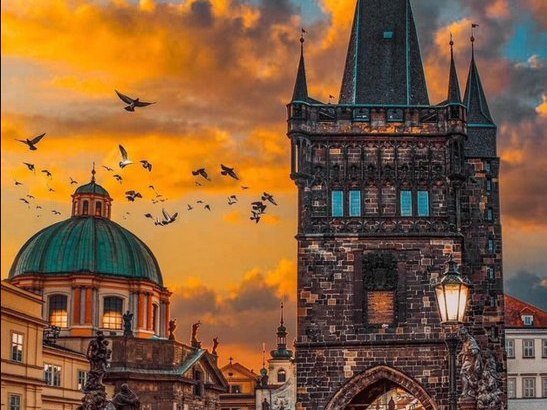
Start in Old Town Square and watch the Astronomical Clock strike the hour. Walk the lanes of the Old Town and the Jewish Quarter (Josefov).
Afternoon and evening
Cross Charles Bridge, ideally early or late, when it is quieter. Have dinner in Malá Strana, the Lesser Town below the castle.
Day 2 – Prague Castle & Malá Strana
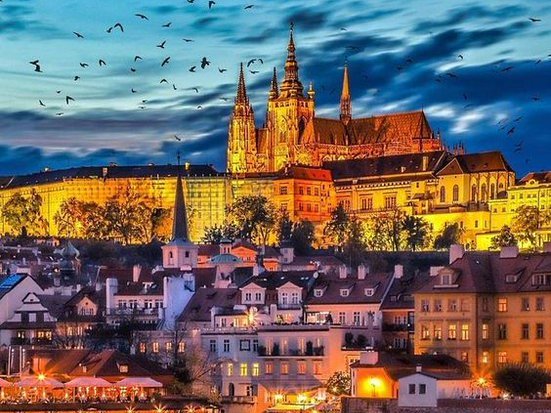
Spend the morning at Prague Castle: St. Vitus Cathedral, the Old Royal Palace and Golden Lane. Walk down through Malá Strana in the afternoon, and finish with the view from Petřín Hill.
Day 3 – Kutná Hora or a slower Prague day
Take the train to Kutná Hora (about an hour) to see the Sedlec Ossuary and St. Barbara’s Church. If you would rather stay in the city, visit Vyšehrad and spend the evening in the cafés and beer gardens of Vinohrady.
More detail: Prague 3-day itinerary · Where to stay in Prague
Days 4–7: Vienna
Day 4 – Train to Vienna & the Old Town
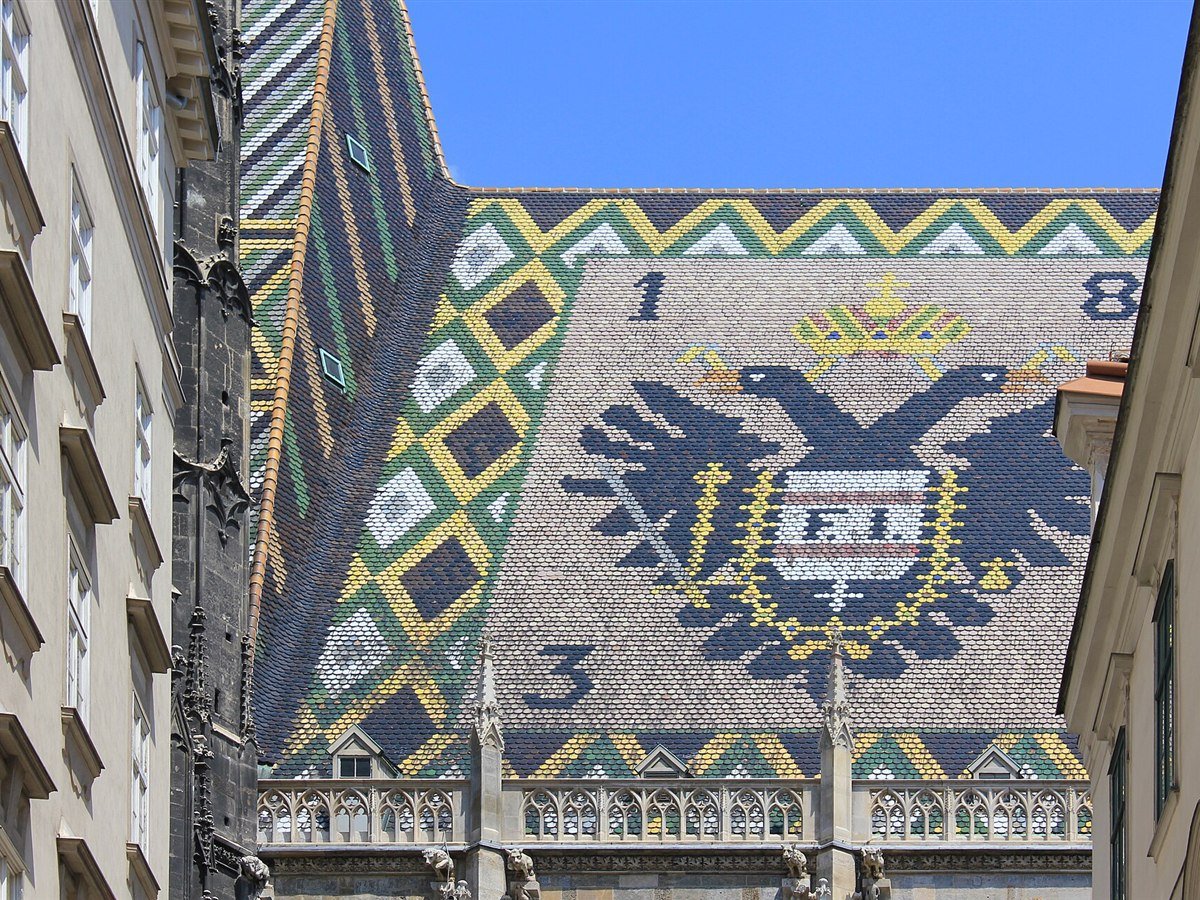
Take a morning train to Vienna. After you drop your bags, walk to St. Stephen’s Cathedral and the streets of the Innere Stadt. In the evening, see a classical concert or an opera. Standing-room tickets at the State Opera are a cheap way in.
Day 5 – Hofburg, museums & coffeehouses
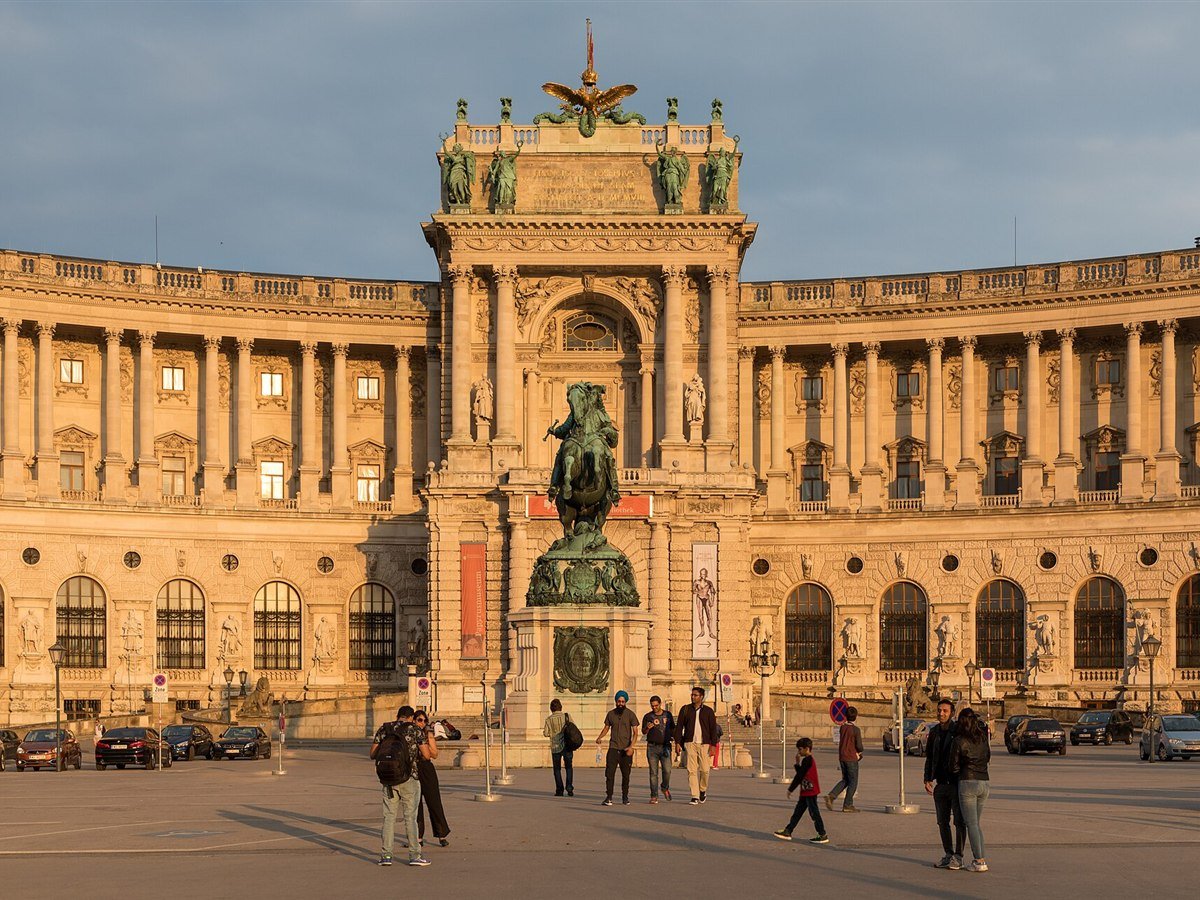
Visit the Hofburg, the imperial palace, with the Sisi Museum and the Imperial Apartments. In the afternoon, choose a museum in the MuseumsQuartier or the Kunsthistorisches Museum (usually closed on Mondays). Stop at a traditional coffeehouse, and browse the Naschmarkt before dinner.
Day 6 – Schönbrunn & the Belvedere
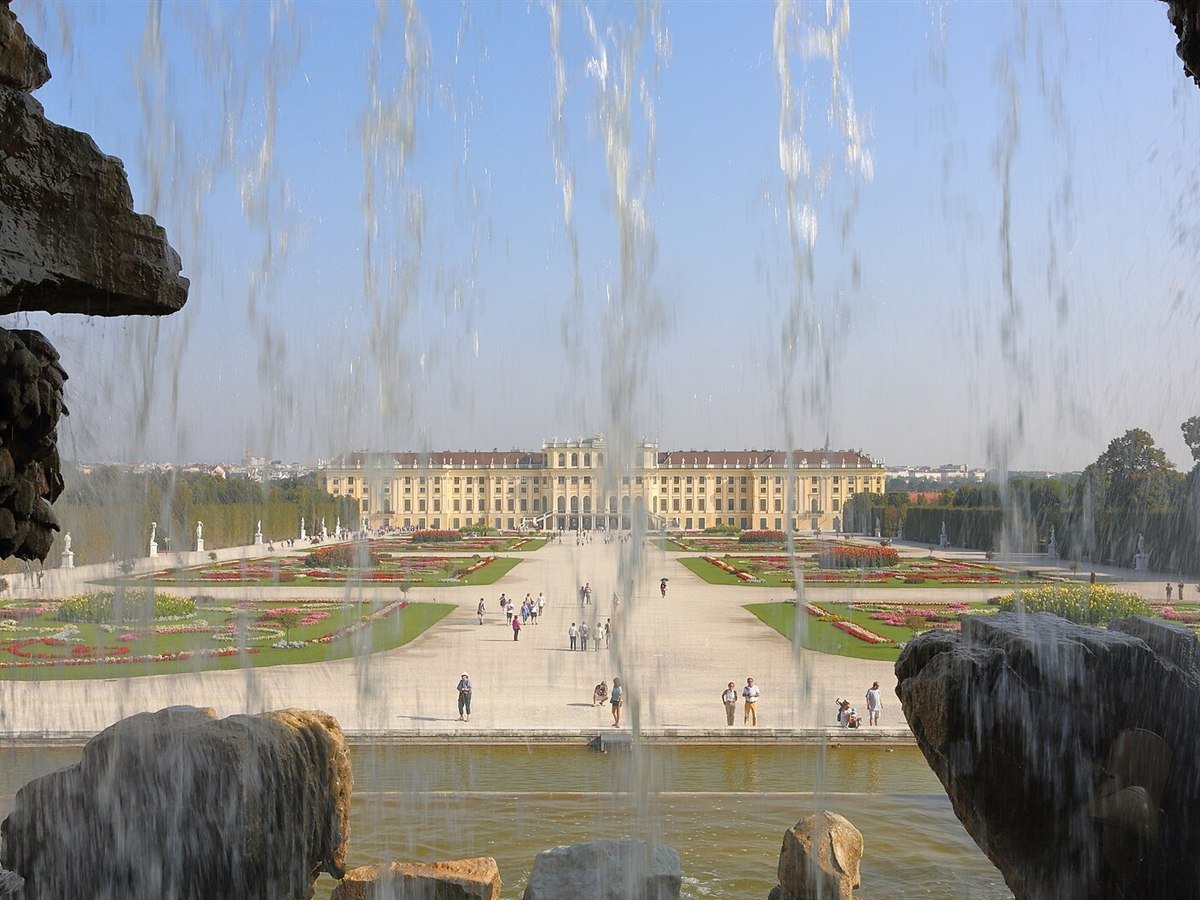
Spend the morning at Schönbrunn Palace and its gardens. Book a timed ticket for the palace rooms. In the afternoon, see Klimt’s The Kiss at the Upper Belvedere.
Day 7 – Bratislava or the Wachau Valley
Slovakia’s capital, Bratislava, is about an hour away by train and makes an easy half-day trip. Or head to the Wachau Valley for Melk Abbey, vineyards and the Danube. On a shorter trip, skip this day and go straight on to Budapest.
More detail: Vienna 3-day itinerary · Where to stay in Vienna
Days 8–10: Budapest
Day 8 – Train to Budapest & Pest
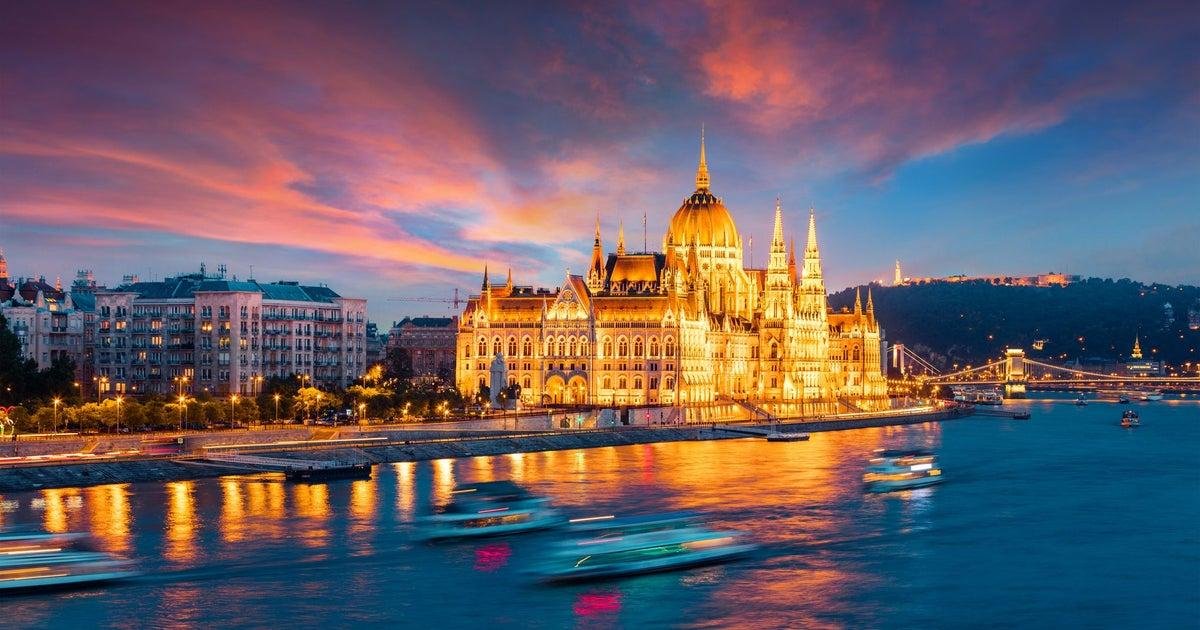
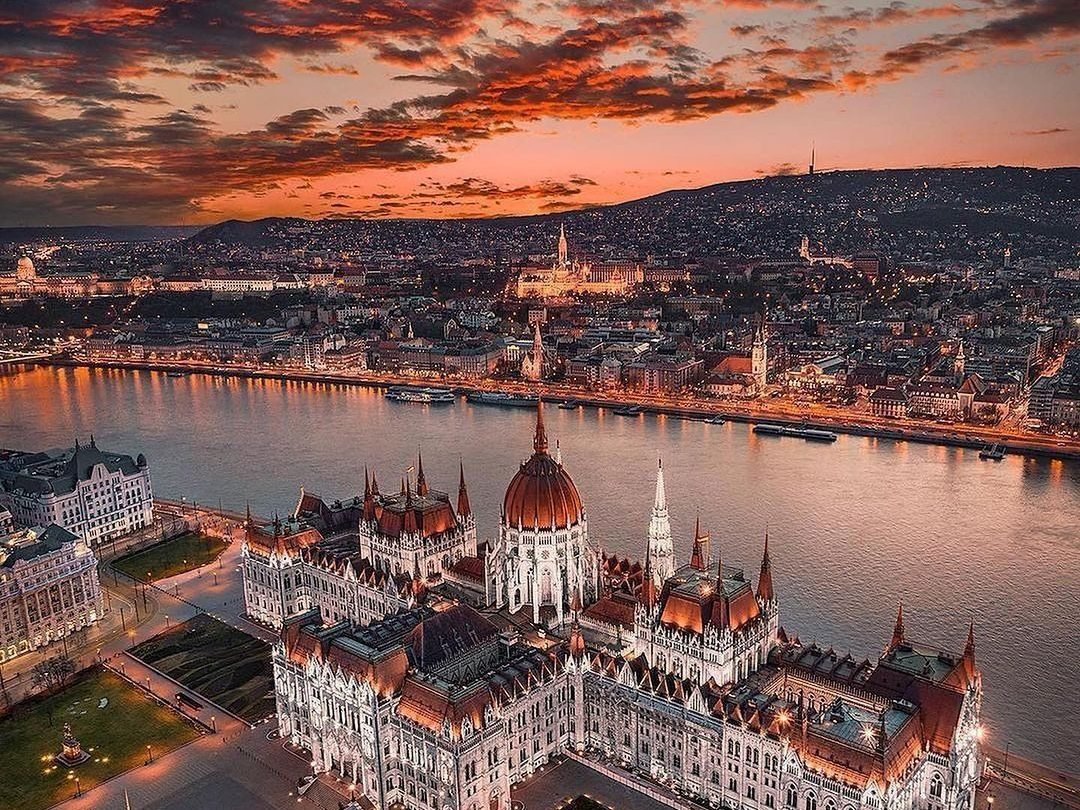
Take the train to Budapest and spend the afternoon in Pest: St. Stephen’s Basilica and the Danube promenade. In the evening, see Parliament lit up from the river, ideally on a Danube cruise.
Day 9 – Castle Hill & Gellért Hill
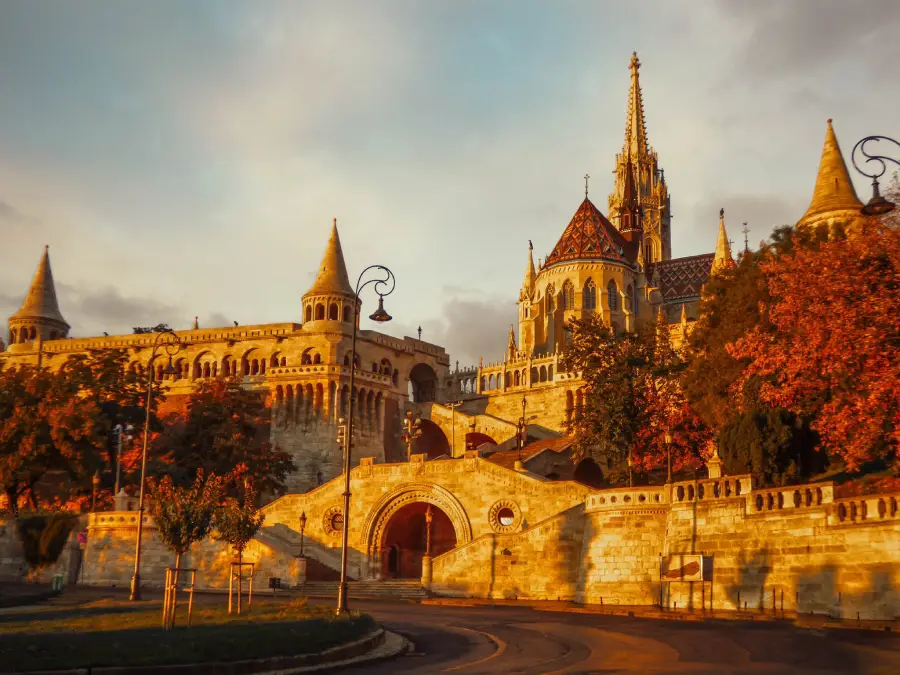
Cross to Buda and go up to Castle Hill for Buda Castle, Matthias Church and Fisherman’s Bastion. In the afternoon, climb Gellért Hill for the best view over the city.
Day 10 – Heroes’ Square, a thermal bath & ruin bars
Walk up Andrássy Avenue to Heroes’ Square and City Park, then relax at the Széchenyi Thermal Bath. Spend your last evening in the ruin bars of the Jewish Quarter. If your flight leaves today, do the bath in the morning.

More detail: Budapest 3-day itinerary · Where to stay in Budapest
Short on Time? The 7-Day Version
| Days | City | What to keep |
|---|---|---|
| 1–3 | Prague | Old Town, Charles Bridge, Prague Castle (skip the day trip) |
| 4–5 | Vienna | Old Town and Hofburg on day 4, Schönbrunn on day 5 |
| 6–7 | Budapest | Pest and Parliament on day 6, Castle Hill and a thermal bath on day 7 |
Best Time for This Trip
Late April to June and September to October bring mild weather and fewer crowds than summer. July and August are hot and busy, and hotel prices are at their highest.
Christmas markets: from late November through December, all three cities hold Christmas markets. Vienna’s Rathausplatz, Prague’s Old Town Square and Budapest’s Vörösmarty Square are the best known, which makes this route a classic winter trip. Book hotels early for December weekends. See our guide to the best Christmas markets in Europe.
Money and Budget
| City | Currency | Cost compared with the others |
|---|---|---|
| Prague | Czech koruna (CZK) | Mid-range |
| Vienna | Euro (EUR) | The most expensive of the three |
| Budapest | Hungarian forint (HUF) | Often the cheapest |
Cards are widely accepted in all three cities. When a card machine or ATM offers to charge you in your home currency, choose the local currency; the conversion it offers is usually worse.
Where to Stay in Each City
| City | Best area for a first visit | Why |
|---|---|---|
| Prague | Old Town | Walk to Charles Bridge and the main sights |
| Vienna | Innere Stadt | Central, with sights and concerts on foot |
| Budapest | Belváros | On the Pest side by the Danube, close to Parliament and the ruin bars |
Staying near the main train station in each city also makes the travel days easier.
Useful Extras
Flights and hotels
→ Search flights to Europe · Search hotels · Free Europe Deal Alerts
eSIM
→ Get a Europe eSIM with Airalo: one plan covers all three countries.
Travel insurance
→ Check flexible plans with SafetyWing
Pack smart
→ Prague, Vienna and Budapest packing lists
Top Experiences in Prague
Frequently Asked Questions
Is 7 days enough for Prague, Vienna and Budapest?
Yes, for the highlights: three days in Prague and two each in Vienna and Budapest. Ten days lets you add day trips and slow down.
Which order is best?
Prague, then Vienna, then Budapest works well because Vienna is in the middle, so each train ride is short. The reverse order works just as well.
How do I travel between the three cities?
By direct train. Prague to Vienna takes about 4 hours, and Vienna to Budapest about 2 hours 40 minutes. Buses are cheaper but slower.
Do I need different currencies?
Yes. The Czech Republic uses the koruna, Austria uses the euro and Hungary uses the forint. Cards are widely accepted, so you only need a little cash.
When is the best time to go?
Late spring and early autumn have the best weather and fewer crowds. From late November through December, all three cities have Christmas markets.
More guides: Prague Travel Guide · Vienna Travel Guide · Budapest Travel Guide · Best time to visit Europe
Photo credits for the Vienna photos, via Wikimedia Commons (cropped): Perituss (CC0), Dietmar Rabich (CC BY-SA 4.0), Martin Falbisoner (CC BY-SA 4.0).