The Best Christmas Markets in Europe for 2026
From late November, Europe’s old squares fill with wooden huts, fairy lights and the smell of mulled wine. This guide covers the ten best Christmas markets in Europe, when they usually open, what each is known for and how to combine several on one trip.
Ad disclosure: This page contains affiliate advertising. We may earn a commission on qualifying bookings or purchases through links and boxes marked “Ad”, at no additional cost to you.
Quick Overview – Europe’s Top 10 Christmas Markets
| City | Main market | Usually open | Known for |
|---|---|---|---|
| Vienna, Austria | Rathausplatz (Wiener Christkindlmarkt) | Mid-November to 26 December | More than a dozen markets, palace settings, Punsch |
| Prague, Czech Republic | Old Town Square | Late November to early January | Giant tree, Gothic backdrop, svařák (mulled wine) |
| Budapest, Hungary | Vörösmarty Square and St. Stephen’s Basilica | Mid-November to around 1 January | Light shows on the basilica, chimney cakes, good value |
| Strasbourg, France | Christkindelsmärik (Place Broglie and the cathedral) | Late November to 24 December | “Capital of Christmas”, markets since 1570 |
| Nuremberg, Germany | Christkindlesmarkt (Hauptmarkt) | Friday before Advent to 24 December | Lebkuchen gingerbread, Nuremberg sausages |
| Cologne, Germany | Market at Cologne Cathedral | Late November to 23 December | Several themed markets in one city |
| Dresden, Germany | Striezelmarkt (Altmarkt) | Late November to 24 December | One of Germany’s oldest markets, Stollen cake |
| Tallinn, Estonia | Town Hall Square | Late November to early January | Medieval old town, often snowy |
| Brussels, Belgium | Winter Wonders (around the Grand-Place) | Late November to early January | Light show on the Grand-Place, waffles |
| Barcelona, Spain | Fira de Santa Llúcia (by the cathedral) | Late November to 23 December | Running since 1786, nativity figures and the Tió de Nadal |
Dates change each year. The dates above are typical; always check the market’s official website before you book, especially for the opening and closing days.
1. Vienna, Austria
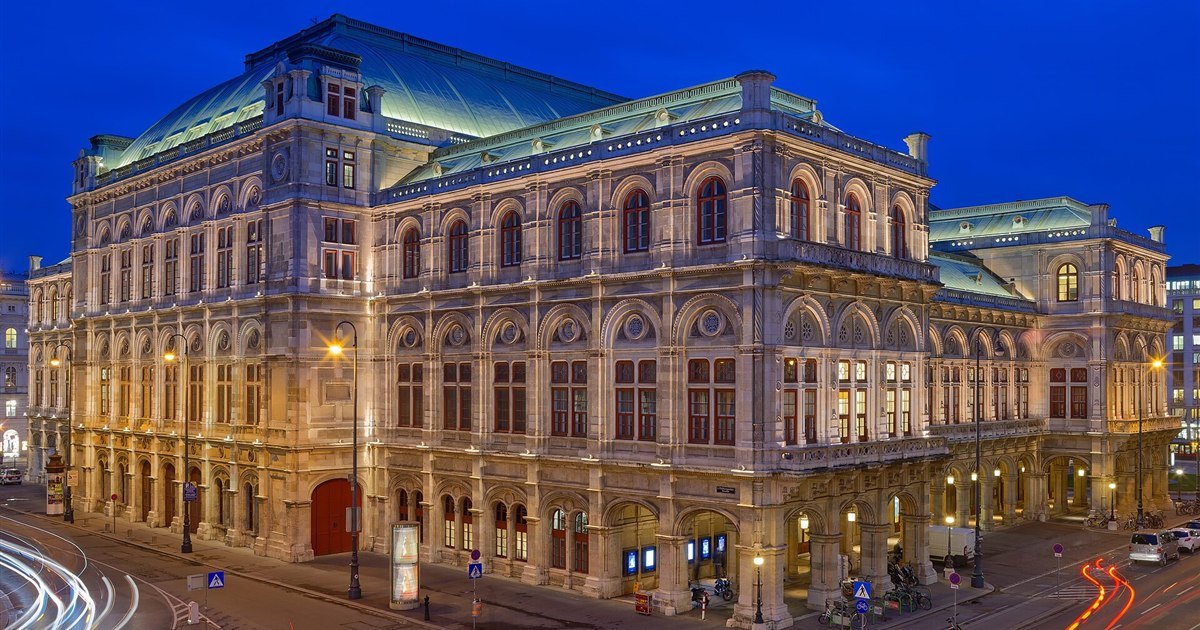
Vienna is the place to go if you want several markets in one city. The biggest is the Wiener Christkindlmarkt in front of the City Hall (Rathausplatz), with an ice rink in the park next door. The markets at Schönbrunn Palace and the Belvedere are more elegant, the Spittelberg market fills narrow old lanes, and the Karlsplatz market focuses on arts and crafts.
Try: Punsch (hot fruit punch) and roasted chestnuts. Many stalls serve drinks in a souvenir mug with a deposit: return the mug for your money back, or keep it.
Plan it: Vienna Travel Guide · Hotels in the Innere Stadt
2. Prague, Czech Republic
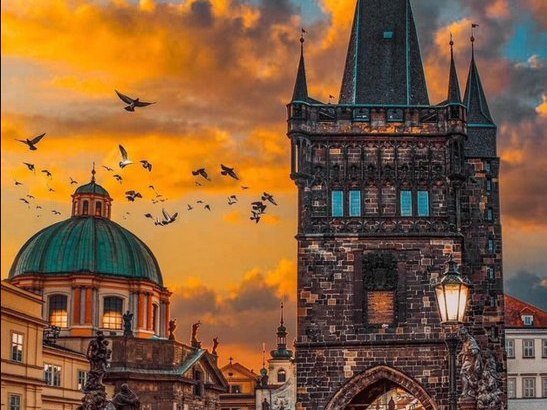
Prague’s Old Town Square market, with its huge Christmas tree in front of the Church of Our Lady before Týn, is one of the most photographed in Europe. A second large market runs on Wenceslas Square. Prague’s markets usually stay open into early January, which is handy if you travel between Christmas and New Year.
Try: svařák (Czech mulled wine) and grilled sausages. The sweet trdelník pastry is everywhere, but it is a tourist favourite rather than a Czech tradition.
Plan it: Prague Travel Guide · Hotels in the Old Town
3. Budapest, Hungary
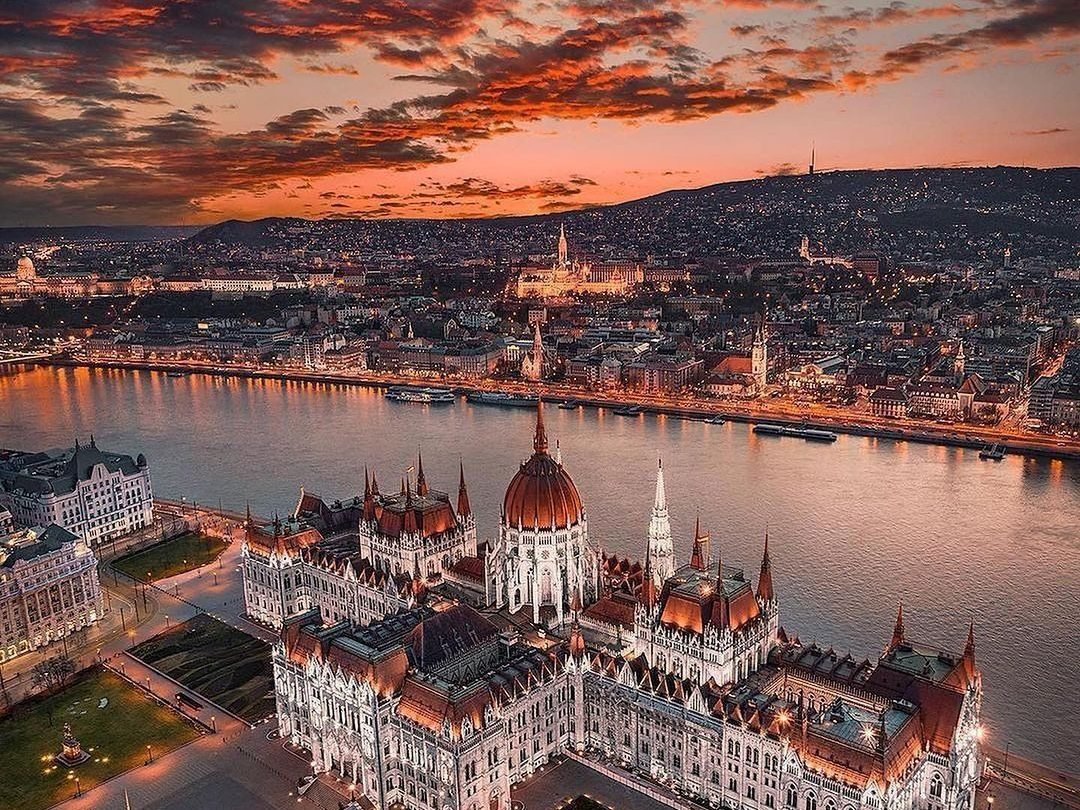
Budapest has two main markets. Vörösmarty Square is the classic, with crafts and food stalls. The Advent market at St. Stephen’s Basilica has an ice rink and a light show projected onto the basilica’s front. Budapest is often the best value of the big Central European markets.
Try: kürtőskalács (chimney cake), forralt bor (mulled wine) and lángos. Warm up afterwards in a thermal bath.
Plan it: Budapest Travel Guide · Hotels in Belváros
4. Strasbourg, France
Strasbourg calls itself the “Capital of Christmas”, and its Christkindelsmärik dates back to 1570, making it one of the oldest in Europe. Markets spread across the old town, from Place Broglie to the square by the cathedral, and the half-timbered streets are covered in lights. The fairytale town of Colmar, about 30 minutes away by train, makes an easy extra stop.
5. Nuremberg, Germany
The Christkindlesmarkt on Nuremberg’s main square is Germany’s most famous. It opens on the Friday before the first Sunday of Advent, when the “Christkind” reads a prologue from the church balcony. Try Nuremberg Lebkuchen (gingerbread) and three small Nuremberg sausages in a roll.
6. Cologne, Germany
Cologne has several markets, each with its own theme. The best known sits right below the twin spires of Cologne Cathedral; others include the Old Town market and the Angels’ market on Neumarkt. Cologne is easy to reach by fast train from Brussels, Amsterdam and Frankfurt.
7. Dresden, Germany
Dresden’s Striezelmarkt was first held in 1434, which makes it one of Germany’s oldest Christmas markets. It is named after the Striezel, the old name for Dresden’s famous Stollen fruit cake, and has a tall wooden Christmas pyramid at its centre.
8. Tallinn, Estonia
The market on Tallinn’s medieval Town Hall Square often comes with real snow, which makes it one of the most atmospheric in Europe. It is smaller than the German and Austrian markets, but less crowded and usually open into early January.
9. Brussels, Belgium
Brussels’ Winter Wonders (Plaisirs d’Hiver) spreads from the Bourse to Place Sainte-Catherine, with a big wheel and an ice rink. The highlight is the sound-and-light show on the Grand-Place, beside a giant Christmas tree. Brussels is under two hours from London by Eurostar, so it is easy for a weekend.
10. Barcelona, Spain
For a milder December, Barcelona’s Fira de Santa Llúcia has been held in front of the cathedral since 1786. Look for nativity figures, the cheeky caganer and the Tió de Nadal log that Catalan children “feed” before Christmas. It is a good pick if you would rather skip the cold.
Plan it: Barcelona Travel Guide · Where to stay in Barcelona
Also worth a visit
- Rome: the Piazza Navona market, which runs until Epiphany on 6 January.
- Salzburg: the market below the fortress, about two and a half hours from Vienna by train.
- Copenhagen: Tivoli Gardens at Christmas.
- Kraków: the Main Market Square, one of the most affordable big markets.
Combine Several Markets in One Trip
Prague, Vienna and Budapest by train
The classic winter route: three capitals with great markets, linked by direct trains of 2–4 hours. Follow our Prague, Vienna and Budapest itinerary and add a market each evening.
Alsace and the Rhine
Pair Strasbourg with Colmar for a long weekend, or add Cologne for a bigger trip along the Rhine.
Bavaria and Saxony
Nuremberg and Dresden are both in eastern Germany, so they combine well on a German market trip, with Prague not far from Dresden.
Tips for Visiting Christmas Markets
- Go on a weekday. Advent weekends, especially Saturday evenings, are the busiest.
- Arrive at dusk. You get the lights without the late-evening crowds.
- Carry some cash. More stalls take cards every year, but small stalls may not.
- Keep your mug. In Germany and Austria, drinks come with a mug deposit: return it or take it home as a souvenir.
- Dress in layers. You will stand outside for hours, so warm boots, a hat and gloves matter. See our Europe packing list for winter.
- Book early. Hotels in market cities fill up fast for December weekends, and prices rise.
Flights, Hotels and Extras
Cheap December flights
→ Compare flights to Europe · Get free Europe Deal Alerts for fares from your city
Hotels
→ Search hotels in Europe
eSIM
→ Get a Europe eSIM with Airalo for maps and tickets on your phone.
Travel insurance
→ Check flexible plans with SafetyWing
Things to Do in Vienna at Christmas
Frequently Asked Questions
When do Christmas markets in Europe open?
Most open in the second half of November, often around the start of Advent, and run until 23 or 24 December. Some, including Prague, Budapest, Tallinn and Brussels, stay open into early January. Check each market’s official dates before you book.
Which is the best Christmas market in Europe?
Vienna is best for choice, Strasbourg and Nuremberg for tradition, Prague for the setting and Budapest for value. If you can, combine several on one trip.
Are Christmas markets open on Christmas Day?
Most German and French markets close on 23 or 24 December. Some markets in Vienna, Prague and Budapest stay open after Christmas, but opening hours on 25 December vary.
Do I need cash at Christmas markets?
It is wise to carry some. Many stalls now take cards, but smaller ones may be cash only, and you need coins for mug deposits.
Which Christmas markets are cheapest?
Budapest, Prague and Kraków are usually cheaper than Vienna, Germany or France, both at the stalls and for hotels.
More guides: Best time to visit Europe · Prague, Vienna & Budapest itinerary · Vienna · Prague · Budapest
Photo credit for the Vienna State Opera photo, via Wikimedia Commons (cropped): Granada (CC BY-SA 4.0).