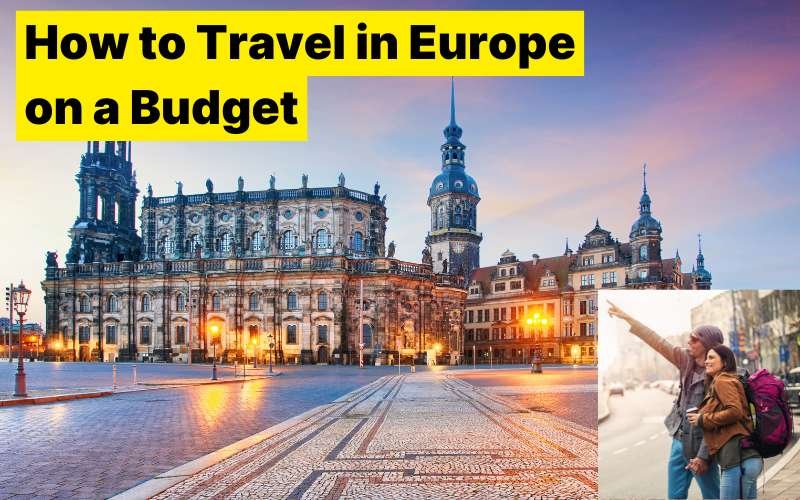
Europe does not have to cost a fortune. Three cities keep turning up on “cheap Europe” lists and in hidden-gems reels: Budapest, Lisbon and Prague. Each has the grand sights you have seen on postcards. Each also has a quieter side where the food is better, the prices are lower and the crowds thin out.
This guide covers where to save money in each city, and which lesser-known places are worth your time. Prices change, so treat every figure as a rough guide and check current rates before you book.
What travellers are asking for right now
Two themes keep coming up in travel communities and on social feeds.
1. Fewer places, more time in each. In a recent r/Europetravel thread, a traveller planning two weeks in December was told that 11 usable days only needs two or three bases. Five or six days in a city is plenty, and the best add-on is a small town, not another capital.
2. “Hidden gems” content wins. Reels titled along the lines of “places most travellers miss” and Pinterest lists of cheap European trips (Budapest regularly appears on them) are what people save and share.
The advice below follows both ideas: pick a city, slow down, and spend your money on the things that are actually good.
Budapest: grand views at small prices
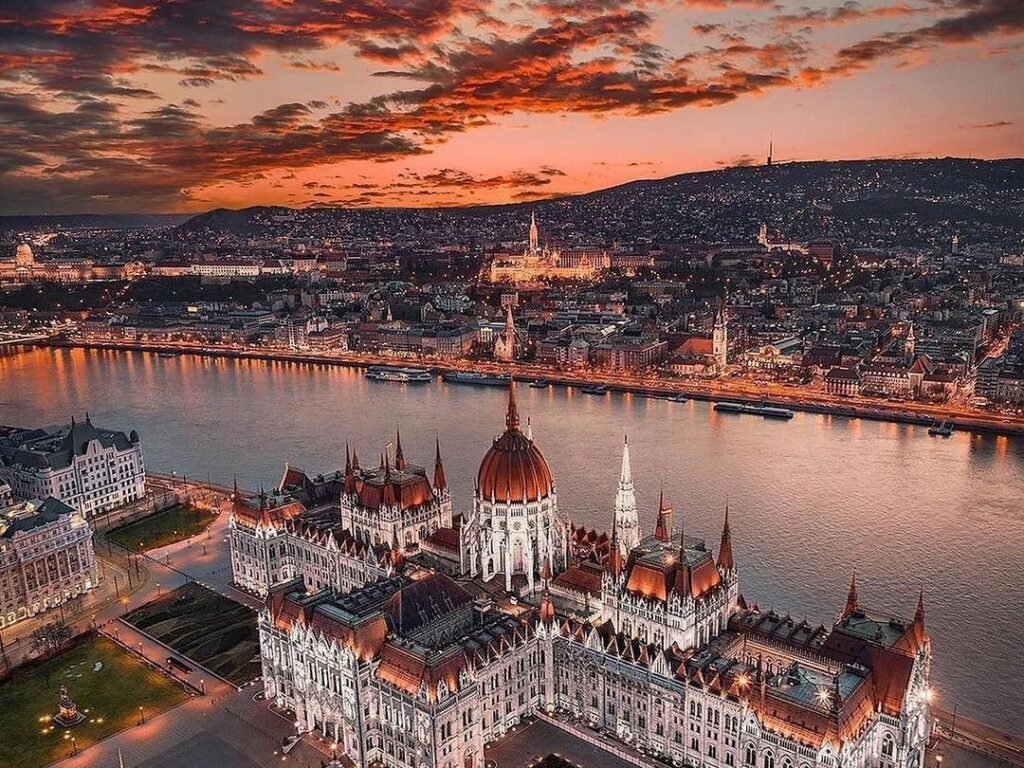
Budapest is often the cheapest of the big Central European capitals. Public transport is excellent, thermal baths cost a fraction of a spa day elsewhere, and a sit-down lunch can be inexpensive.
Where the money goes (and how to keep it)
- Getting around: The metro, trams and buses run on one ticket system. Tram 2 along the Danube is a sightseeing ride for the price of a normal fare.
- Food: Eat your main meal at lunchtime. Many local restaurants offer a fixed-price lunch menu. The upstairs food stalls in the Great Market Hall are a quick way to try lángos and other Hungarian street food.
- Sights: The best views are free. Walk up Gellért Hill, cross the Chain Bridge at dusk and follow the Danube promenade on the Pest side.
Hidden gems worth your time
- Margaret Island. A car-free park in the middle of the Danube, ideal for walking or cycling when the old town feels busy.
- Local thermal baths. Széchenyi gets the crowds. Smaller baths on both sides of the river are quieter. Go early on a weekday for the best experience.
- Ruin bars beyond the obvious one. Szimpla Kert is the famous name, but the neighbourhood around it is full of courtyards and bars with a more local feel.
- Buda’s quieter streets. Most visitors rush up to Castle Hill and back. Wander the lanes below it for cafés and views without the tour groups.
Budget tip: Stay on the Pest side near a metro line. You will save on transport and be close to restaurants. See our Budapest travel guide and 3-day Budapest itinerary for a full plan.
Lisbon: sunsets, hills and cheap pastries
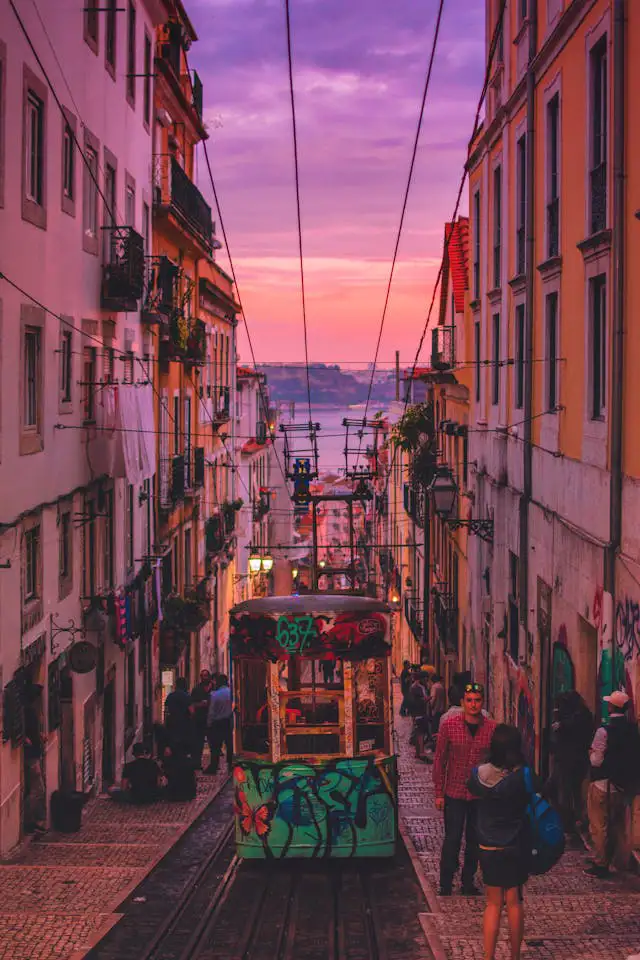
Lisbon is one of Western Europe’s best-value capitals, but it rewards a smart plan. The city is built on hills, so your budget is best spent on comfortable shoes and a travel card, not taxis.
Where the money goes (and how to keep it)
- Getting around: A reloadable transport card covers the metro, buses, trams and ferries. Tram 28 is atmospheric but very crowded. Go early or take a different tram or a funicular instead.
- Food: Look for a small local restaurant with a daily set meal (prato do dia). It usually costs far less than a tourist-area menu. Skip the busiest market food halls if you are watching your budget and try a neighbourhood bakery instead.
- Sights: The city’s viewpoints (miradouros) are free and some of the best things to do.
Hidden gems worth your time
- The viewpoints at golden hour. Miradouro da Senhora do Monte, Miradouro de Santa Luzia and São Pedro de Alcântara all offer wide city views. Bring a drink and watch the sunset.
- The ferry across the Tagus. A short, cheap ferry ride to Cacilhas gives you a view of the Lisbon skyline from the water, plus waterfront restaurants on the other side.
- Mouraria and Graça. These neighbourhoods have a more local feel than the main tourist streets, with small restaurants and everyday life going on around you.
- Feira da Ladra. The flea market is open on certain days each week. It is a good place for browsing, souvenirs and people-watching.
- A day trip to Sintra by train. Trains run from central Lisbon and are far cheaper than a tour. Start early to beat the crowds.
Budget tip: Eat your pastries at a local bakery, not a queue-heavy famous spot, and save the splurge dinner for one night. For more, read our Lisbon travel guide.
Prague: beautiful, but only if you step off the main route
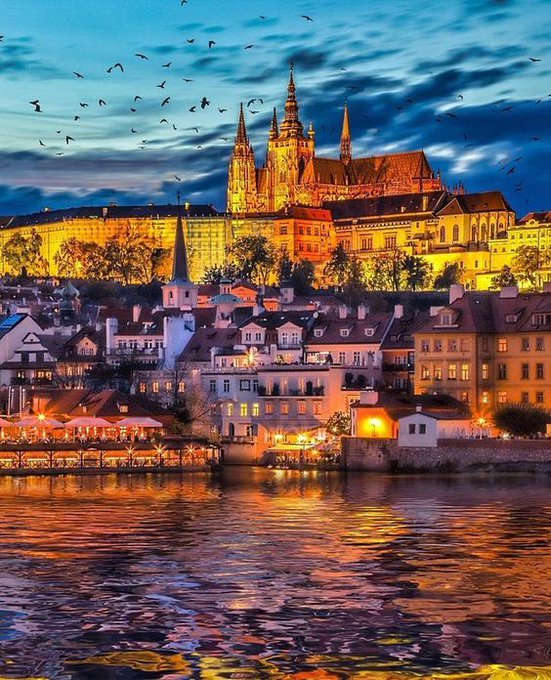
Prague is stunning, and that is the problem: the Old Town Square and Charles Bridge are busy for most of the year. The good news is that the cheaper, calmer version of Prague is a short walk away.
Where the money goes (and how to keep it)
- Getting around: Metro, trams and buses share one ticket system, and a time-limited ticket works across all of them. You can walk between many of the main sights.
- Food and drink: Avoid restaurants on the main squares. Walk a few streets away, or look for a traditional pub with a lunch menu. Local beer is often cheaper than water in tourist areas.
- Sights: Prague Castle’s grounds can be explored without buying a full ticket. The gardens and viewpoints around the castle are also free.
Hidden gems worth your time
- Letná Park. A hilltop park with a beer garden and one of the best views over the Vltava river and the bridges.
- Petřín Hill. A green escape in the city. Walk up for views and a small lookout tower.
- Vyšehrad. A quiet fortress area on a rock above the river, with gardens, an old church and fewer tourists than the castle.
- Vinohrady and Karlín. Residential neighbourhoods with cafés, parks and restaurants that locals use every day.
- A day trip to Kutná Hora. A historic town within easy reach by train, known for its old centre and cathedral.
Budget tip: If you are visiting the Christmas markets, go in early December. One recent traveller account noted that Christmas week is crowded. Read more in our Prague travel guide.
How to combine the three cities
- Budapest and Prague work well together. You can travel between them by train in roughly six to seven hours, so plan a full travel day or an overnight option.
- Lisbon is best as its own trip or a second leg reached by a flight.
- Do not overpack the route. Spend at least four or five days in each city. You will enjoy it more and spend less on transport.
For flights and accommodation, check our hotel search and flight search pages. Some links on this site are affiliate links, which means we may earn a small commission at no extra cost to you.
Quick budget checklist
- Eat the main meal at lunchtime. Set menus are cheaper than dinner.
- Buy a transport card or ticket. It is cheaper than single rides and saves time.
- Walk to the viewpoint. The best views in all three cities are free.
- Avoid eating on the main squares. Walk two or three streets away.
- Visit early or on weekdays. You will get lower crowds and a better experience.
- Check prices before you go. Rates, tickets and opening hours change.
For every sight, price and tip, read our guide to the best things to do in Lisbon.
Final thoughts
Budapest, Lisbon and Prague are each worth a trip in their own right. If you are on a budget, give each city enough time, skip the busiest tourist spots and look for the quieter neighbourhoods, viewpoints and local food. That is where you will find the best value, and the best memories.
Prices, opening dates and transport details in this article are approximate and can change. Always confirm with official sources before travelling.
Related guides
- Where to Stay in Budapest: Best Areas & Hotels by Neighbourhood
- Lisbon 3-Day Itinerary – Perfect Plan for First-Timers
- Where to Stay in Lisbon: Best Areas & Hotels by Neighbourhood
- Prague 3-Day Itinerary – Perfect Plan for First-Timers
- Where to Stay in Prague: Best Areas & Hotels by Neighbourhood
- Prague, Vienna and Budapest Itinerary: 7 to 10 Days
- Best Christmas Markets in Europe 2026: Dates and Top Cities
- Budapest Travel Tips: 15 Things to Know Before You Go