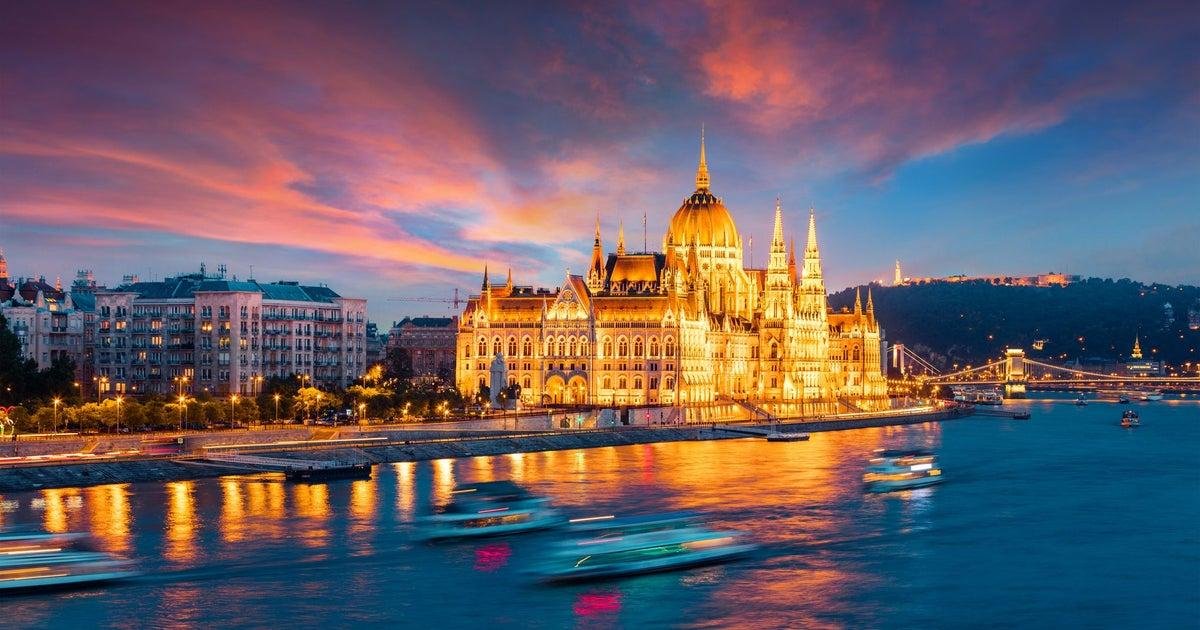
Budapest packs a lot into one city: a hilltop castle, one of the world’s grandest parliament buildings, steaming thermal baths, ruin bars in crumbling courtyards and a river that looks even better at night. It is also one of the best-value capitals in Europe. This guide covers the 25 best things to do in Budapest, area by area, with prices, how long each one takes and the local tips that save you time and money.
New to the city? Read our Budapest travel tips first, then use this guide to choose what to see.
Ad disclosure: this page contains affiliate links. We may earn a commission on bookings made through them, at no extra cost to you. See our affiliate disclosure.
Things to Do in Budapest: Quick Answer
If you only have time for the highlights, these are the 10 things to do in Budapest that most first-time visitors love:
| Top sight | Cost (approx.) | Time needed | Book ahead? |
|---|---|---|---|
| Hungarian Parliament tour | HUF 7,000 (EEA) / 14,000 (non-EEA) | 1 hour | Yes, tours sell out |
| Fisherman’s Bastion | Free (upper terrace HUF 1,700) | 45 minutes | No |
| Buda Castle and Castle Hill | Free to walk around | 2 to 3 hours | No |
| Széchenyi Thermal Bath | About HUF 13,000 to 15,000 | 3 hours | Recommended |
| St Stephen’s Basilica | Entry fee, extra for the dome | 1 hour | No |
| Danube evening cruise | About €15 to €30 | 1 to 2 hours | Yes in summer |
| Ruin bars in the Jewish Quarter | Free entry | An evening | No |
| Dohány Street Synagogue | About HUF 9,000+ | 1 to 1.5 hours | Recommended |
| Gellért Hill viewpoint | Free | 1 to 1.5 hours | No |
| Great Market Hall | Free entry | 1 hour | No |
How long do you need? Three days is ideal for the sights in this guide. Our Budapest 3-day itinerary puts them in a day-by-day plan.
Things to Do in Buda: Castle Hill and Gellért Hill
Buda is the hilly west bank of the Danube. Most of its top sights sit on Castle Hill, a UNESCO-listed old town of cobbled lanes, so plan a half day here and wear comfortable shoes.
1. Explore Buda Castle and Castle Hill
The vast Buda Castle (the Royal Palace) crowns the hill above the river. You can walk around its courtyards, terraces and gardens for free, and the views across to the Parliament are some of the best in the city. Inside are the Hungarian National Gallery and the Budapest History Museum, which charge separate entry. Look out for the ornate Matthias Fountain in the palace courtyard and the changing of the guard at the Sándor Palace, the President’s office.
Cost: Free to walk around; museums charge entry · Time needed: 2 to 3 hours
Local tip: The Castle Hill funicular from Clark Ádám tér costs HUF 4,500 one way or HUF 5,500 return (2026). Bus 16 from Deák Ferenc tér goes up for the price of a normal ticket, or you can walk up in about 15 minutes.
2. Watch the sunrise at Fisherman’s Bastion
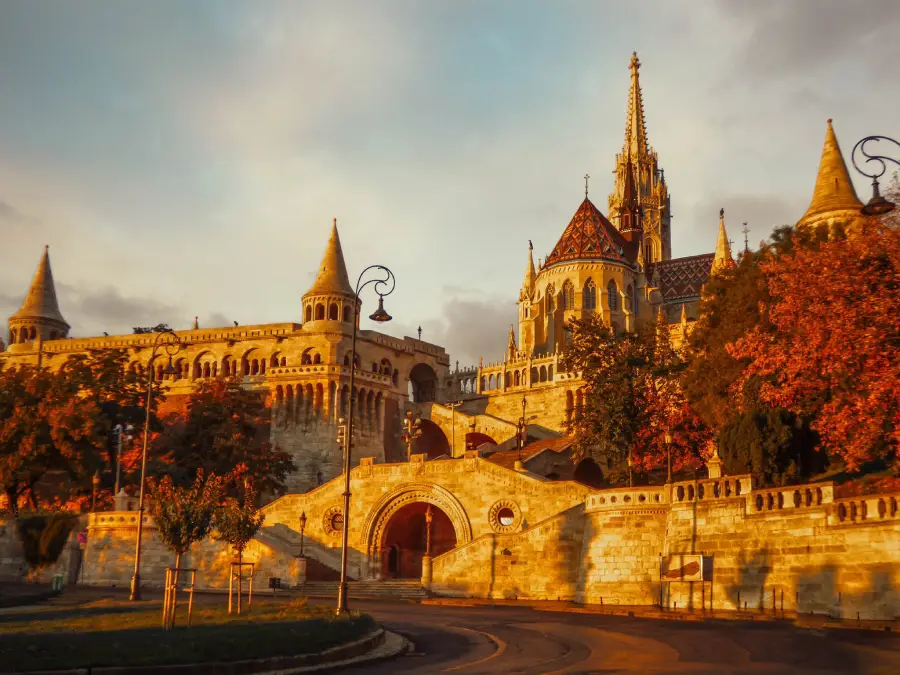
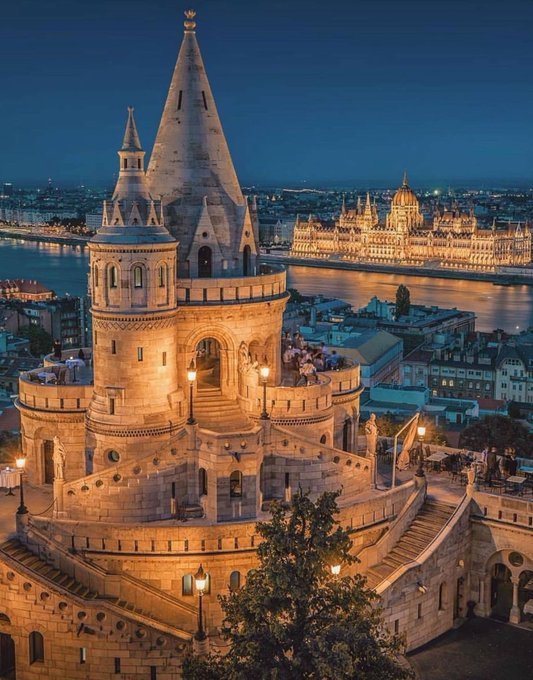
With its seven white fairy-tale towers, Fisherman’s Bastion is the most photographed spot in Budapest. It was built at the end of the 19th century as a viewing terrace, and it frames the Parliament across the Danube perfectly. Most of the terraces are free. Only the upper towers charge a small fee during the day.
Cost: Free; upper terrace about HUF 1,700 for adults · Time needed: 45 minutes
Local tip: Come at sunrise or after dark. The upper terrace is usually free outside paid hours, and you will have it almost to yourself.
3. Step inside Matthias Church
Right next to Fisherman’s Bastion, Matthias Church has a colourful tiled roof and a richly painted interior that surprises most visitors. Hungarian kings were crowned here, and the church still hosts organ concerts in the evenings.
Cost: About HUF 3,400 for adults (official 2026 price); the tower is extra · Time needed: 45 minutes
Local tip: Shoulders and knees should be covered. The church can close for weddings and services, so check the opening times on the day.
4. Visit the Hospital in the Rock
Hidden in caves under Castle Hill, this former secret hospital and nuclear bunker was used during the Second World War, the 1956 Revolution and the Cold War. Visits are by guided tour only and tell a moving story of the city’s 20th century.
Cost: Paid guided tour; check the official site for prices · Time needed: 1 hour
Local tip: A good choice on a rainy or very hot day, as it stays cool underground.
5. Climb Gellért Hill for the best view in Budapest
Gellért Hill rises straight out of the river next to Liberty Bridge. A 20 to 30-minute walk up the paths brings you to the Liberty Statue, with a 360-degree panorama of both Buda and Pest, the bridges and the Parliament. It is free and open at all hours.
Cost: Free · Time needed: 1 to 1.5 hours
Local tip: Go up about an hour before sunset and walk down to the Danube for dinner in Pest as the city lights come on.
Things to Do in Pest: The Parliament, the Basilica and the Danube
Pest, on the flat east bank, is where most visitors stay, eat and go out. Its grand boulevards hold the city’s most famous buildings, and most are within walking distance of each other.
6. Tour the Hungarian Parliament Building
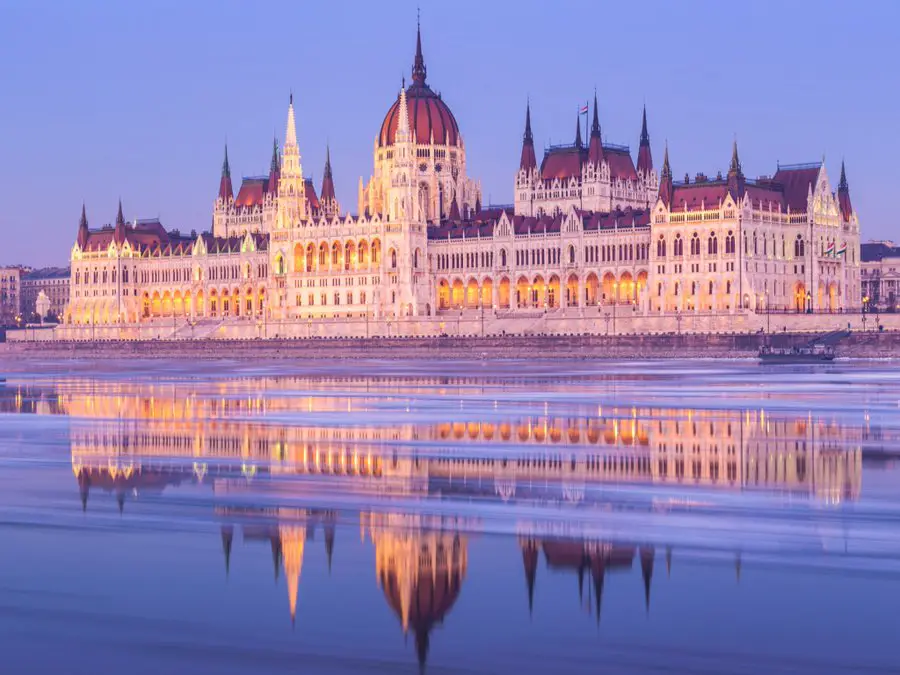
The Hungarian Parliament is the largest building in the country and one of the most beautiful parliaments in the world. The 45-minute guided tour takes you up the golden main staircase, under the central dome to see the Holy Crown of Hungary, and into the old Upper House chamber. Tours run in several languages at set times.
Cost: HUF 7,000 for EEA citizens, HUF 14,000 for other visitors, HUF 3,500 for students (from 1 January 2026) · Time needed: 1 hour including security
Local tip: Book online in advance on the official ticket site, as English tours often sell out in summer. Bring photo ID. The outside is free to admire, and it looks best from across the river in Buda.
7. See the Shoes on the Danube Bank
A short walk south of the Parliament, 60 pairs of iron shoes stand on the riverbank. They remember the Jewish people who were shot here and fell into the Danube in 1944 and 1945. It is a small, powerful memorial, so please be respectful and avoid posed photos.
Cost: Free · Time needed: 15 minutes
Local tip: Combine it with the Parliament and a walk along the river.
8. Climb the dome of St Stephen’s Basilica
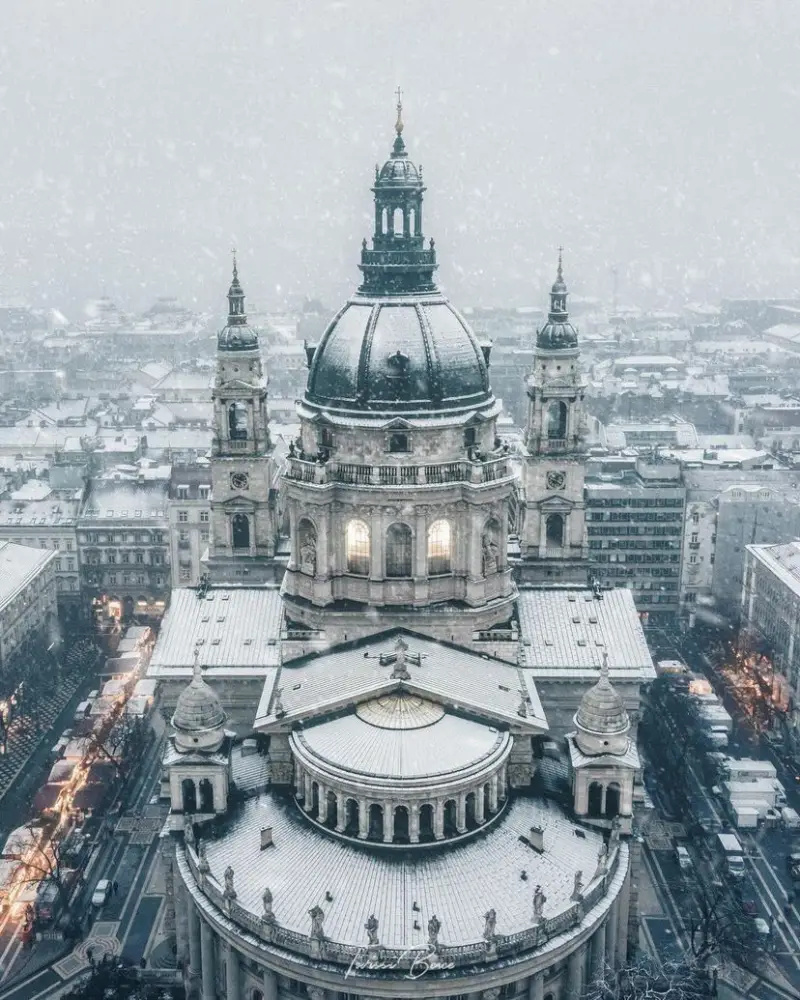
St Stephen’s Basilica is the largest church in Budapest and is exactly the same height as the Parliament, 96 metres, as no building in the city may be taller. The interior is grand and full of gold, and the chapel holds the mummified right hand of St Stephen, Hungary’s first king. The panorama terrace around the dome, reached by lift or stairs, has a superb view over the rooftops of Pest.
Cost: Entry fee for the church, with a combined ticket for the dome terrace and treasury; check current prices on the basilica’s website · Time needed: 1 hour
Local tip: Evening organ concerts are held here regularly, and the square in front hosts one of the city’s best Christmas markets in winter.
9. Walk across the Chain Bridge
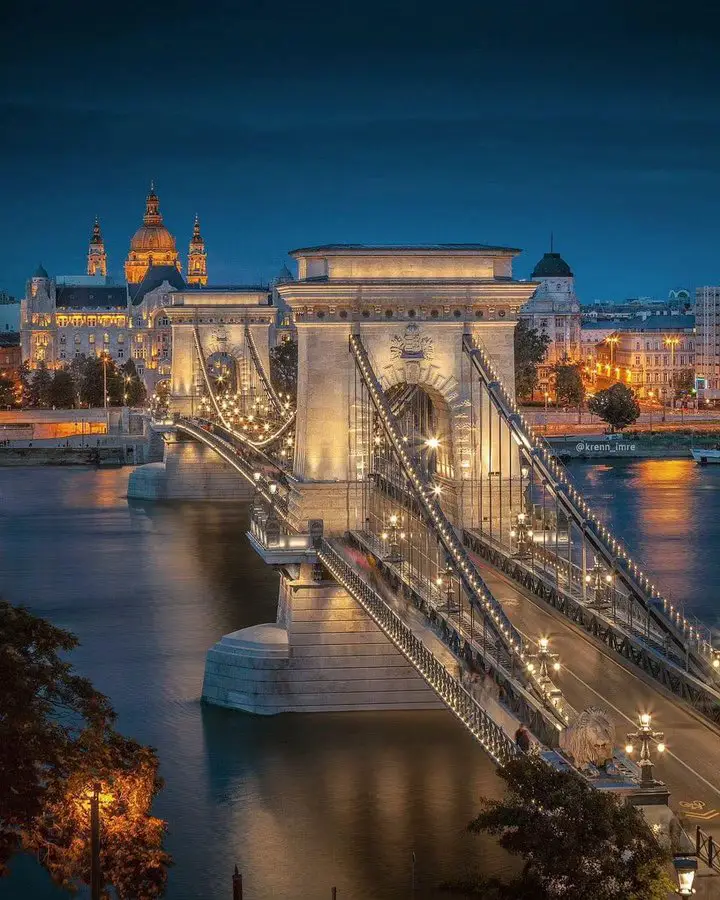
The Széchenyi Chain Bridge, guarded by stone lions, was the first permanent bridge across the Danube in Budapest when it opened in 1849. After a major renovation it is now closed to private cars, which makes it a pleasant walk between Pest and the funicular to Castle Hill.
Cost: Free · Time needed: 20 minutes
Local tip: Walk across at night, when the bridge, the castle and the Parliament are all lit up.
10. Shop and eat at the Great Market Hall
The Great Market Hall at the Pest end of Liberty Bridge is the largest indoor market in Budapest. The ground floor sells paprika, salami, pickles and pastries, while the upstairs stalls serve lángos (fried dough with sour cream and cheese) and other Hungarian classics at fair prices.
Cost: Free entry · Time needed: 1 hour
Local tip: Closed on Sundays. Go in the morning on a weekday, and compare paprika prices with the shops downstairs before you buy.
11. Take a tour of the Hungarian State Opera
The neo-Renaissance Hungarian State Opera on Andrássy Avenue reopened in 2022 after a long restoration, and its gold and marble interior is stunning. A one-hour English guided tour runs daily, and it ends with a short live performance by young opera singers on the grand staircase.
Cost: About HUF 12,000 for the English guided tour (2026) · Time needed: 1 hour
Local tip: Performance tickets can cost less than the tour if you choose seats high up in the house, so check the programme on the opera’s website.
12. Ride the historic M1 metro to Heroes’ Square
Andrássy Avenue, a UNESCO-listed boulevard of grand villas and embassies, runs from the centre to Heroes’ Square. Underneath it runs the M1, the oldest underground railway on the European mainland, opened in 1896. Its small yellow trains and tiled stations are a sight in themselves. At the end of the line, Heroes’ Square has statues of the leaders of the seven Magyar tribes and the founders of Hungary.
Cost: Price of a single public transport ticket · Time needed: 1 hour
Local tip: Ride the M1 one way and walk back along Andrássy Avenue, stopping at cafés and the House of Terror on the way.
City Park: Baths, Castles and Museums
13. Soak in the Széchenyi Thermal Bath

If you do one thing in Budapest, make it Széchenyi. Its yellow neo-Baroque palace holds 18 pools, including three large outdoor pools that stay warm all year, even when there is snow on the ground. Locals play chess in the water, and the evening light on the buildings is magical.
Cost: About HUF 13,000 on weekdays and HUF 15,000 at weekends with a locker (2026); a cheaper early-morning ticket is available on some days · Time needed: 3 hours
Local tip: Since 1 August 2025, children under 14 are no longer allowed into Széchenyi, so families should choose Lukács instead. Bring a swimsuit, flip-flops and a towel, and buy your ticket online to skip the queue.
14. Wander around Vajdahunyad Castle
This romantic castle beside the City Park lake was built for Hungary’s 1896 millennium celebrations and copies famous buildings from across the country, which is why it mixes Gothic, Romanesque and Baroque styles. The grounds are free. In winter the lake becomes one of Europe’s largest outdoor ice rinks.
Cost: Free to walk around; the Museum of Hungarian Agriculture inside charges entry · Time needed: 45 minutes
Local tip: Look for the hooded statue of Anonymous, the medieval chronicler. Touching his pen is said to bring writing talent.
15. Visit the new museums of City Park
City Park has become one of Europe’s biggest museum quarters. The House of Music Hungary, with its leaf-shaped roof, and the new Museum of Ethnography are worth seeing for their architecture alone. The Museum of Fine Arts on Heroes’ Square has one of the best collections of old masters in Central Europe.
Cost: Each museum charges separate entry · Time needed: 1 to 3 hours
Local tip: Good options for a rainy afternoon after the baths.
The Jewish Quarter: Synagogues, Street Food and Ruin Bars
16. Visit the Dohány Street Synagogue
The Dohány Street Synagogue is the largest synagogue in Europe and one of the largest in the world, built in a striking Moorish Revival style in 1859. Your ticket includes the Hungarian Jewish Museum and the memorial garden, with the silver Tree of Life Holocaust memorial.
Cost: About HUF 9,000 or more for adults (prices vary by ticket type) · Time needed: 1 to 1.5 hours
Local tip: Closed on Saturdays and Jewish holidays. Men are given a kippah to wear inside. Queues can be long in summer, so book a timed ticket.
17. Have a drink in the ruin bars
Ruin bars started in the early 2000s, when bars opened in the empty courtyards of old buildings in the Jewish Quarter and filled them with mismatched furniture and art. Szimpla Kert, the first and most famous, is worth seeing even if you only stay for one drink. On Sunday mornings it hosts a farmers’ market.
Cost: Free entry; drinks are cheap by Western European standards · Time needed: An evening
Local tip: Visit Szimpla Kert early in the evening to see it before it gets crowded, then try smaller ruin bars nearby. Keep the noise down when you leave, as people live in the area.
18. Eat your way through Gozsdu Courtyard
Gozsdu Courtyard is a chain of linked courtyards between Király utca and Dob utca lined with bars and restaurants. Nearby, Karaván is a street food yard next to Szimpla Kert, with stalls selling lángos, burgers and Hungarian street food.
Cost: Free to walk through · Time needed: 1 to 2 hours
Local tip: Gozsdu hosts a weekend market with crafts and antiques.
Budapest Thermal Baths Compared
Budapest sits on more than 100 thermal springs, and bathing is part of everyday life here. These are the baths visitors ask about most:
| Bath | Best for | Price (approx., 2026) | Good to know |
|---|---|---|---|
| Széchenyi | First-timers, outdoor pools in winter | HUF 13,000 to 15,000 | No children under 14; busiest bath |
| Rudas | Rooftop pool with Danube views, Turkish dome | HUF 12,000 to 15,000 | Late-night bathing on some weekend nights |
| Lukács | A quieter, local feel | Cheaper than Széchenyi | Popular with locals; good for families |
| Gellért | Art Nouveau interiors | Closed | Closed for renovation since October 2025; reopening expected around 2028 |
Pack a swimsuit, flip-flops and a quick-dry towel. Our Budapest packing list has the full thermal bath kit list.
Things to Do on and Around the Danube
19. Take an evening Danube cruise
Seeing the Parliament, Buda Castle and the bridges lit up from the water is one of the highlights of any trip to Budapest. Cruises range from one-hour sightseeing trips with a drink to dinner cruises with live music.
Cost: About €15 to €30 for a sightseeing cruise; more for dinner cruises · Time needed: 1 to 2 hours
Local tip: Book a cruise that departs around sunset so you see the city in daylight and after dark. Public BKV boats on line D11 and D12 are a cheaper way to see the river by day.
20. Relax on Margaret Island
Margaret Island is a car-free park in the middle of the Danube, 2.5 kilometres long. Locals come here to run on the 5-kilometre rubber track, picnic, swim at the Palatinus summer pools and watch the musical fountain, which plays to music several times a day in summer.
Cost: Free · Time needed: 2 to 3 hours
Local tip: Rent a bike or a pedal car at the island’s entrance to see all of it.
21. Ride tram 2 along the river
Tram 2 runs along the Pest bank of the Danube, past the Parliament and with Buda Castle across the water. It is one of the most scenic tram rides in Europe for the price of a normal ticket.
Cost: Price of a single ticket, or free with a travel pass · Time needed: 30 minutes
Local tip: Sit on the right-hand side heading north for the best river views.
More Things to Do in Budapest
22. Learn about the city’s past at the House of Terror
Housed in the former headquarters of the fascist and later communist secret police at Andrássy út 60, the House of Terror museum tells the story of Hungary’s two dictatorships of the 20th century. The basement prison cells are deeply moving.
Cost: HUF 4,000 for adults (official price) · Time needed: 1.5 to 2 hours
Local tip: Closed on Mondays. Tickets for individual visitors are sold at the door only, so arrive early to avoid queues.
23. See the communist statues at Memento Park
When communism ended, Budapest moved its giant statues of Lenin, Marx and Soviet soldiers to Memento Park on the edge of the city. It is an unusual and fascinating open-air museum.
Cost: Paid entry; check the official site · Time needed: 1.5 hours plus travel time
Local tip: It is about 30 minutes from the centre by bus, so combine it with a quiet afternoon.
24. Try Hungarian food and coffee house culture
Do not leave Budapest without trying gulyás (goulash soup), chicken paprikás, lángos and chimney cake (kürtőskalács). Budapest also has a grand coffee house tradition: the New York Café is famously ornate, while Gerbeaud and Centrál Kávéház are calmer classics. Weekday set lunch menus (napi menü) in local restaurants are the cheapest way to eat well.
Cost: Mains from about HUF 4,000 to 7,000 in local restaurants · Time needed: As long as you like
Local tip: Check the bill for a service charge (szervízdíj) before you tip.
25. Take a day trip from Budapest
If you have more than three days, the Danube Bend is the classic day trip. Szentendre is a pretty artists’ town about 40 minutes away by HÉV suburban train, while Visegrád has a hilltop castle and Esztergom has Hungary’s largest basilica. Lake Balaton, Central Europe’s largest lake, is about two hours away.
Cost: Train or boat fares, or an organised tour · Time needed: A full day
Local tip: Boats run up the Danube to Szentendre and Visegrád in summer, which makes the journey part of the day out.
Free Things to Do in Budapest
- Walk around Buda Castle’s courtyards and Castle Hill’s old town.
- Visit the lower terraces of Fisherman’s Bastion.
- Climb Gellért Hill for the city’s best panorama.
- See the Shoes on the Danube Bank memorial.
- Walk across the Chain Bridge and along the Danube promenade at night.
- Explore Margaret Island and City Park, including Vajdahunyad Castle.
- Browse the Great Market Hall.
- Admire the Parliament from the Buda riverbank at Batthyány tér.
For more ways to save, see our guide to budget hidden gems in Budapest, Lisbon and Prague.
Things to Do in Budapest in Winter
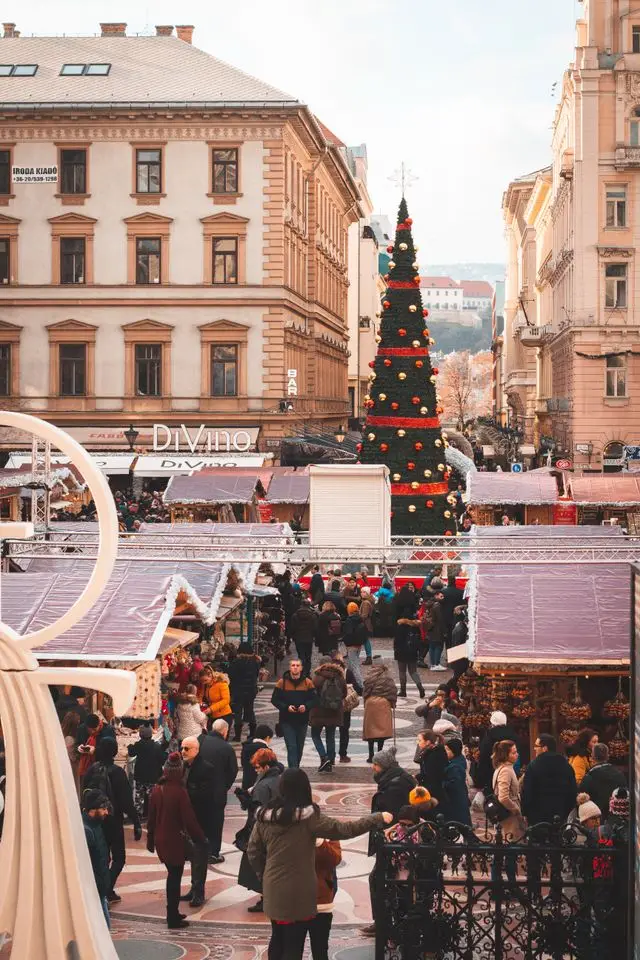
Winter is cold in Budapest, but it is also when the city is at its cosiest. From mid-November to the end of December, the Christmas markets on Vörösmarty tér and in front of St Stephen’s Basilica fill the air with mulled wine and chimney cake. Skate on the City Park ice rink, warm up in the outdoor pools at Széchenyi, and spend rainy afternoons in the museums. See our best Christmas markets in Europe guide for dates.
How to Plan Your Days
- 1 day: Castle Hill and Fisherman’s Bastion in the morning, the Parliament and the Shoes on the Danube Bank after lunch, a Danube cruise at sunset and a ruin bar to finish.
- 2 days: add St Stephen’s Basilica, the Great Market Hall, Andrássy Avenue and an afternoon at the Széchenyi Bath.
- 3 days: add Gellért Hill, the Dohány Street Synagogue, the House of Terror and Margaret Island.
- 4 days or more: add a day trip to Szentendre or the Danube Bend.
Our Budapest 3-day itinerary turns this into a route with transport and food stops. Visiting more of Central Europe? Try our Prague, Vienna and Budapest itinerary.
Getting Around and Saving Money
- Public transport: the metro, trams and buses are cheap and frequent. Buy tickets and 24-hour or 72-hour passes in the BudapestGO app.
- Budapest Card: includes unlimited public transport plus free or discounted entry to some museums, baths and tours. It pays off if you plan to visit several paid sights.
- Pay in forints: always choose to be charged in HUF when paying by card.
- From the airport: the 100E bus runs to Deák Ferenc tér in about 40 minutes. See our Budapest airport to city centre guide.
- Stay connected: get an eSIM for Hungary before you fly so maps and tickets work as soon as you land.
Where to Stay in Budapest
For sightseeing, stay in Pest. District V (Belváros and Lipótváros) is closest to the Parliament, the Basilica and the river, District VII (the Jewish Quarter) is best for nightlife and food, and District VI around Andrássy Avenue is a calmer middle ground. Buda is quieter and good for views. Our where to stay in Budapest guide compares each area, or search hotels in Budapest to compare prices for your dates.
Budapest Tours and Tickets
Skip-the-line tickets and guided tours save time at the busiest sights. These are the most popular options:
Plan the Rest of Your Trip
- Budapest travel guide: the top places, best time to visit and how to get there.
- Budapest travel tips: 15 things to know before you go.
- Budapest 3-day itinerary: a day-by-day plan for first-timers.
- Where to stay in Budapest: the best areas and hotels.
- Budapest packing list: what to pack for every season.
- Budapest airport to city centre: the 100E bus, metro and taxis.
Things to Do in Budapest: FAQs
What is Budapest best known for?
Budapest is best known for its thermal baths, the Hungarian Parliament Building on the Danube, Buda Castle and Fisherman’s Bastion, its ruin bars and its good-value food and drink.
How many days do you need in Budapest?
Three days is enough to see the main sights at a relaxed pace, including a thermal bath, a Danube cruise and an evening in the ruin bars. Add a fourth day for a day trip to Szentendre or the Danube Bend.
What is the best thermal bath in Budapest for first-timers?
Széchenyi is the classic choice, with large outdoor pools that stay warm all year. Rudas has a rooftop pool with Danube views. Since August 2025 Széchenyi does not admit children under 14, so families usually choose Lukács. The Gellért Baths are closed for renovation until around 2028.
Do you need to book the Hungarian Parliament tour in advance?
Yes, it is best to book online in advance. Tours run at set times in several languages and English tours often sell out, especially in summer. Bring photo ID.
What are the best free things to do in Budapest?
Walking around Castle Hill and Buda Castle, the lower terraces of Fisherman’s Bastion, the view from Gellért Hill, the Shoes on the Danube Bank, Margaret Island, City Park and the Great Market Hall are all free.
What is there to do in Budapest at night?
Take an evening Danube cruise, walk across the lit-up Chain Bridge, visit the ruin bars in the Jewish Quarter, see a performance at the Hungarian State Opera or try late-night bathing at Rudas on selected weekend nights.
Prices checked in November 2026 from official and trusted sources. Prices, opening hours and renovation dates change, so always check the official website before you go.