
City guide · Italy
Rome Travel Guide
Your Rome travel guide. Ancient ruins beside buzzing piazzas, where history is under your feet and carbonara is a daily ritual.
Colosseum · Vatican City · Trastevere
41.9028° N, 12.4964° E
Country
Italy
Language
Italian
Currency
Euro (€)
Ideal first visit
3–4 days
Main airport
Fiumicino (FCO)
About the city
Discover the soul of Rome
Rome is the kind of city that makes you feel history under your feet. Ancient ruins sit next to buzzing piazzas, carbonara is a daily ritual, and every corner seems designed for a perfect photo.
Whether it’s your first visit or your fifth, Rome rewards slowness.
Our tip
Morning light on the Forum, a maritozzo in Prati, a wrong turn that lands you in a hidden cloister. Leave room in the day for the detour.
Why you'll love it
a.
Historic icons
Colosseum, Vatican, Forum.
b.
Cobblestone neighbourhoods
Trastevere, Monti.
c.
World-class cuisine
Cacio e pepe to supplì.
d.
Piazzas & dolce vita
Evening rituals.
Plan your timing
Best time to visit Rome
Rome has hot summers and mild winters, and it is busy for much of the year. The most comfortable weather falls in spring and autumn.
★ Best overall
April to early June and mid-September to October. Warm, sunny days (18–27°C) and manageable crowds, ideal for walking between the sights.
Mar–May · 16–24°C
🌸 Spring
Mild and sunny, with gardens in bloom. Easter is very busy, so book early.
Crowds: high at Easter
Jun–Aug · 28–32°C
☀️ Summer
Hot and crowded. Visit major sights early or late in the day, and expect higher prices.
Peak season
Sep–Nov · 16–27°C
🍂 Autumn
Warm in September, then cooler and wetter towards November. A good balance of weather and crowds.
Crowds: moderate
Dec–Feb · 12–14°C
❄️ Winter
Cool and often rainy, but quiet. Lower prices and shorter queues at the Vatican and the Colosseum.
Lowest prices
💡 Pro tip
Book Colosseum and Vatican tickets ahead in any season, and visit the major sights early in the morning to beat both the crowds and the heat.
Top places
Where To Visit in Rome
Eight icons, but not as checklists — as atmospheres. Each with a time of day when it feels most itself.
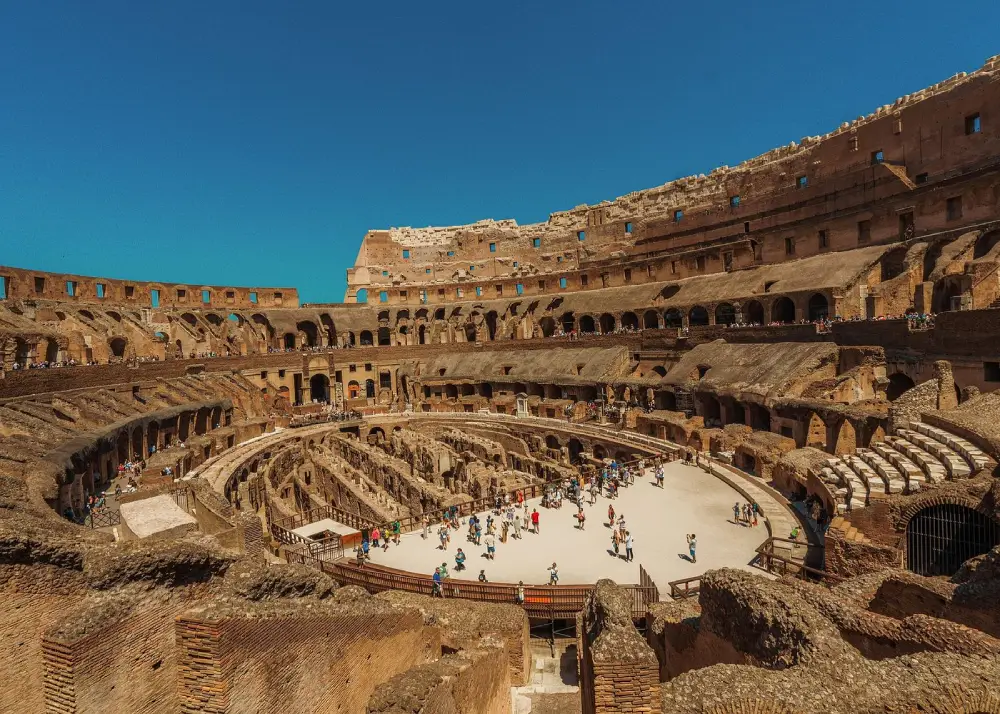
Colosseum
The great amphitheatre of ancient Rome, built for gladiator games and public spectacle. Book timed entry ahead to skip the longest queues.
Ancient Rome · Book ahead
View on map
Vatican City & St Peter’s
The world’s smallest state holds St Peter’s Basilica, the Vatican Museums and the Sistine Chapel. Go early, before the museum queues build.
Vatican · Early morning
View on map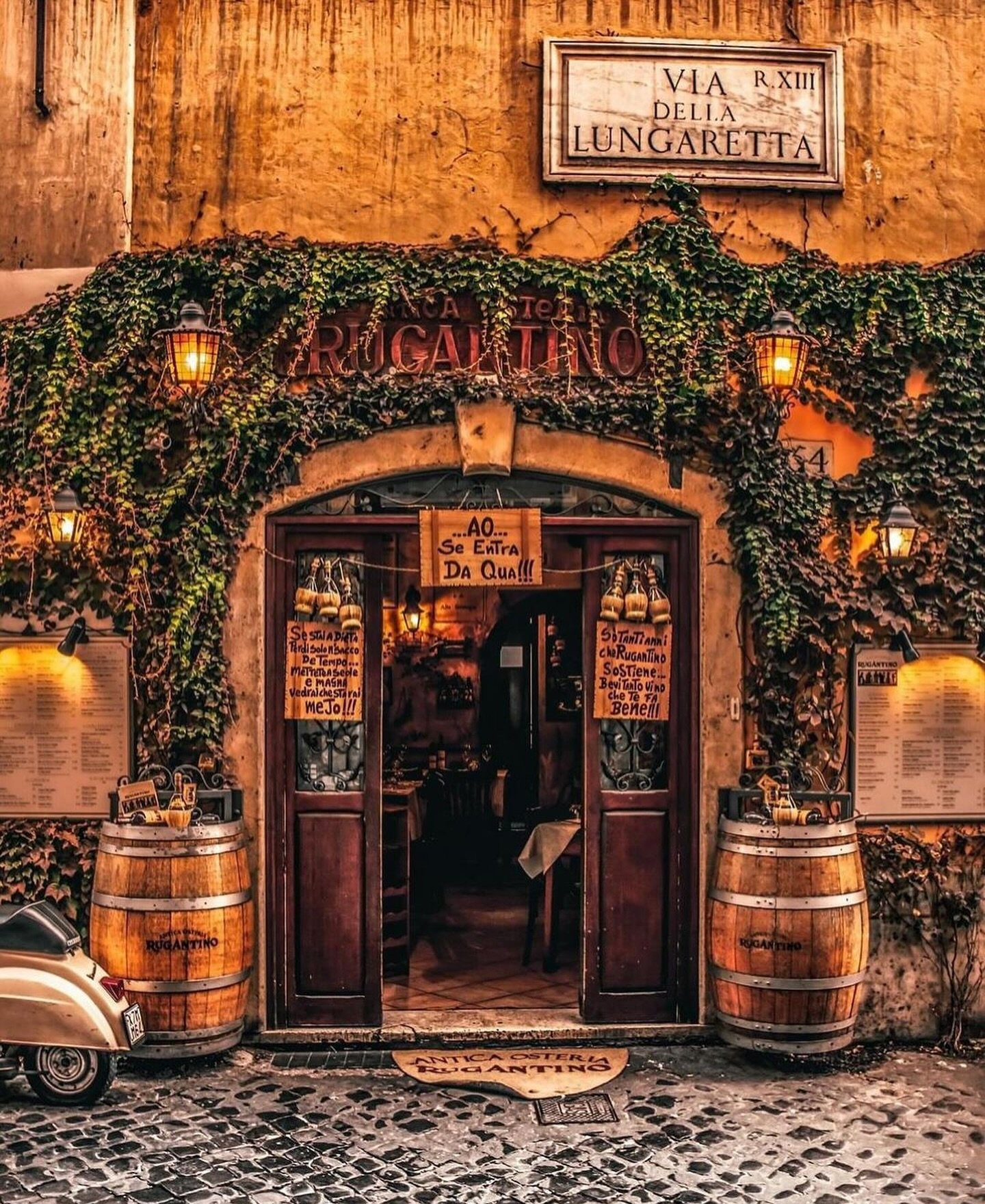
Trastevere
Cobblestones, ivy-clad trattorias and the city’s best aperitivo scene. It feels like a village inside Rome.
Trastevere · Evening
View on map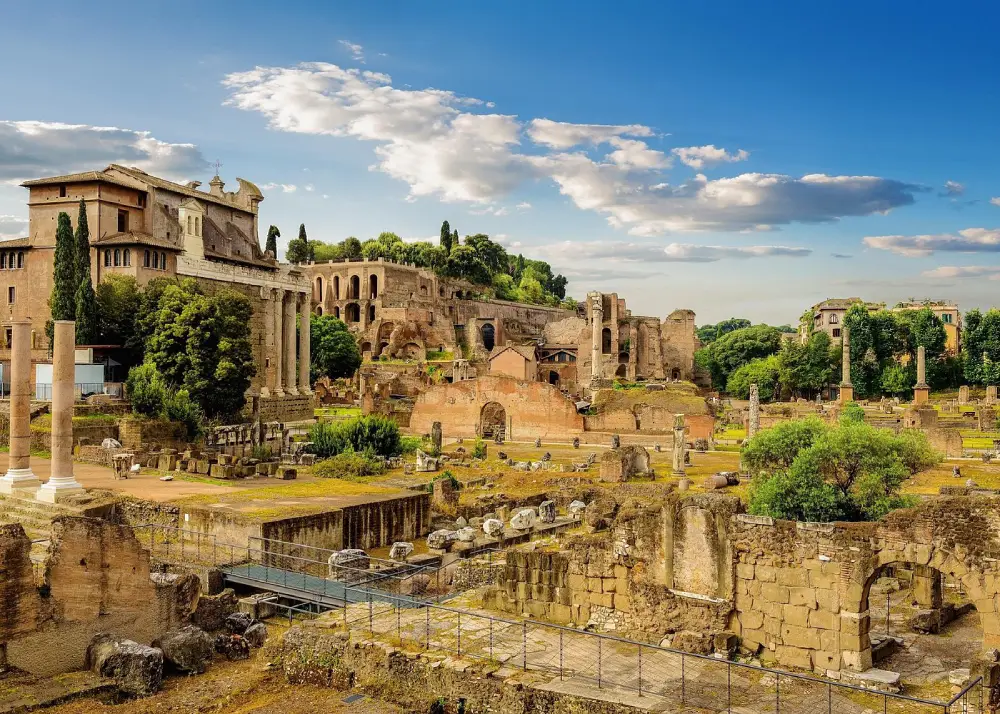
Roman Forum & Palatine Hill
The ruined heart of ancient Rome: temples, arches and the hill where emperors lived. Morning light is kindest.
Ancient Rome · Morning
View on map
Trevi Fountain
Toss a coin over your shoulder and, so the tradition goes, you will return to Rome. Visit at dawn or late at night when the crowds thin out.
Centro Storico · Early or late
View on map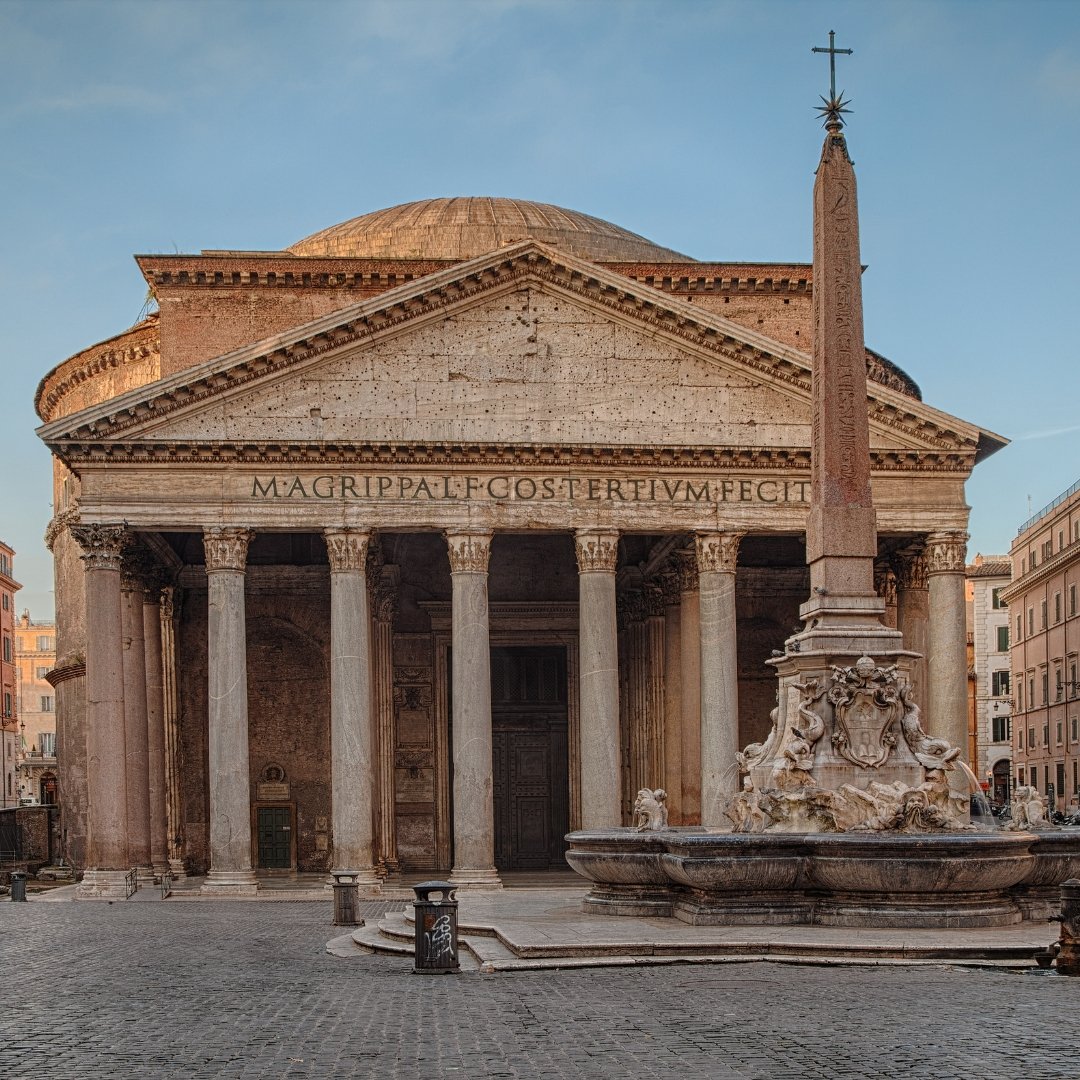
Pantheon
Nearly two thousand years old and still in use, with a great dome that is open to the sky at its centre. Step in for a few quiet minutes.
Centro Storico · Any time
View on map
Piazza Navona
A long square lined with baroque fountains and café terraces, laid out on the outline of an ancient stadium. Best at golden hour.
Centro Storico · Golden hour
View on map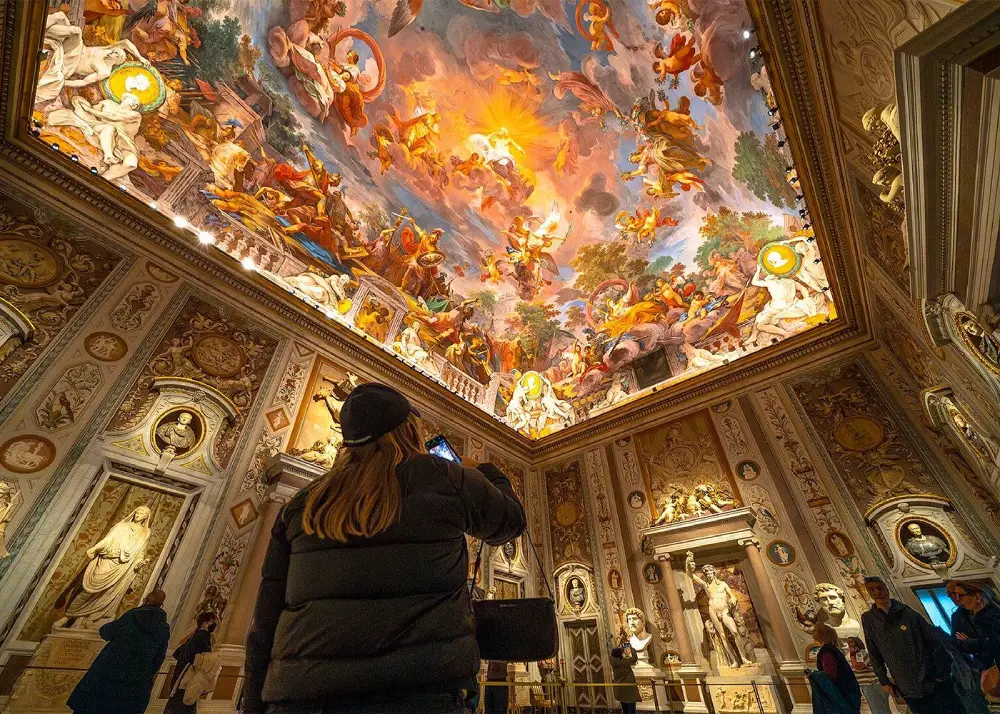
Spanish Steps & Villa Borghese
Climb the Spanish Steps, then wander on into the Villa Borghese gardens for shade, museums and a view over the rooftops.
Pincio · Afternoon
View on mapGetting there
How to get to Rome
Rome is easy to reach by air, rail, road and bus. Here is how each option works.
Fastest · from abroad
✈️ By plane
Rome has two airports. Fiumicino (FCO) is the main international gateway, about 30 km southwest of the centre, and the non-stop Leonardo Express train reaches Roma Termini in roughly 30 minutes. Ciampino (CIA) is smaller, popular with low-cost airlines, and is linked to the centre by shuttle buses. Full guide: Rome airport to city centre.
Leonardo Express: about 30 min to Termini
Scenic · rail trips
🚆 By train
Roma Termini is the main station and the hub for high-speed trains from Florence, Milan, Naples and Venice. It sits on metro lines A and B, so most areas are one ride away. Roma Tiburtina also handles some fast services.
Main station: Roma Termini
Flexible · road trips
🚗 By car
Drivers from the north arrive on the A1 Autostrada del Sole, which meets the GRA ring road around the city. Rome’s historic centre is a limited traffic zone (ZTL) with heavy fines for entering without a permit, so park outside the centre and use public transport.
Avoid the ZTL in the historic centre
Budget · domestic & international
🚌 By bus
FlixBus and other long-distance coaches arrive at Roma Tiburtina bus station, which connects to the centre by metro line B and by train. It is a budget-friendly choice for routes from other Italian cities and neighbouring countries.
Main coach hub: Roma Tiburtina
Where to stay · Partner links
Where to stay in Rome
Neighbourhoods matter here. Pick your base by light, noise, and how you want your mornings to feel.
We may earn a commission when you book through our partner links.
Read our affiliate disclosureBest for first-timers
Historic Centre
Step out to the Pantheon for morning espresso, Trevi by night. Walkable to everything, full of polished palazzo hotels and quiet courtyards.
Check hotelsBest for food & nightlife
Trastevere
Cobblestones, ivy-clad trattorias and the city’s best aperitivo scene. It feels like a village inside Rome, still 15 minutes from the centre.
Check hotelsNear St Peter’s
Vatican & Prati
Calm, elegant boulevards with early access to the Museums. Perfect if the Sistine Chapel is top of your list.
Check hotelsBudget + airport train
Monti & Termini
Monti’s boutiques and wine bars meet Termini’s transport links. Great value without losing character.
Check hotelsWhere to stay in popular areas of Rome
Getting around
How to get around Rome
Rome is a city of short hops and long walks, so the best approach is to mix metro, buses and plenty of walking.
Best value · most visitors
🚇 Public transport
Rome’s metro has three lines (A, B and C) linking Termini, the Vatican area and the Colosseum, while buses and trams fill the gaps. A single ticket is valid for 100 minutes on buses, trams and the metro, and 24, 48 and 72-hour passes suit busy sightseeing days. Validate paper tickets before you ride.
Single ticket: about €1.50 · valid 100 min
Door to door · late nights
🚕 Taxis
Use official white taxis from ranks or book through a taxi app, and avoid anyone who approaches you in the station. Fixed fares apply between the airports and the centre, which makes arrival costs predictable. Taxis are handy late at night or with luggage.
Fixed fares from the airports to the centre
Optional · day trips
🚗 Car
A car is more of a burden than a help in Rome. The ZTL, narrow streets, scooters and costly parking make driving stressful. It only makes sense for day trips to Tuscany or the Castelli Romani, so collect a rental on your way out of the city.
ZTL fines are issued automatically
Free · the best way to explore
🚶 Walking
The historic centre is compact, and the Pantheon, Trevi Fountain, Piazza Navona and Spanish Steps are all within a pleasant stroll of each other. Expect cobblestones, summer heat and plenty of stops for gelato, so wear comfortable shoes.
Best on foot: Centro Storico · Trastevere · Monti
Plan your journey
Plan your perfect Rome trip
Itineraries, packing lists and practical tips — all linked to this hub.
3-day plan
Rome 3-day itinerary
The highlights without rushing, with time for the neighbourhoods in between.
View guideAttractions
Best things to do in Rome
The top experiences, with tips to avoid the longest queues.
View guideBudget guide
Rome on a budget: hidden gems
Cheap eats, free viewpoints and quiet neighbourhoods most visitors miss.
View guideTours & tickets · Partner links
Tickets and tours worth booking ahead
The big sights sell out in busy months, so it pays to reserve early.
Good to know
Questions before you go
How many days do I need in Rome?
Three to four days covers the icons. Day one: Ancient Rome (Colosseum, Forum, Palatine). Day two: the Vatican, then an evening in Trastevere. Day three: the historic centre (Pantheon, piazzas, Borghese gardens). Add a fourth day for Ostia Antica or a slow food crawl. Our 3-day itinerary puts it all in order.
Where should I stay for a first visit?
The historic centre around the Pantheon and Piazza Navona if you want to walk everywhere, or Trastevere for evening buzz. Avoid staying right at Termini unless budget is the priority; Monti is a better compromise. See our best areas to stay in Rome.
How do I skip the lines at the Colosseum?
Book timed-entry tickets from the official Parco Archeologico site about 30 days ahead. The first entry at 8:30am is the quietest. For the Vatican Museums, book the 8am slot.
Is Rome walkable?
The historic centre is. The Pantheon, Piazza Navona and the Trevi Fountain are all within a short walk of each other. Use the metro or a taxi for the Vatican and the longer hops.
How do I get from the airport to the centre?
The Leonardo Express train runs from Fiumicino airport to Termini station in about 30 minutes.
Map · Rome
Open in Google MapsBook it
City chosen? Book the basics.
Once you know where you are going, compare prices for the three big bookings in one place.
We may earn a commission when you book through our partner links.
Read our affiliate disclosureStay in Rome
Hotels
Fly to Rome
Flights
Drive
Car rental
Stay Connected