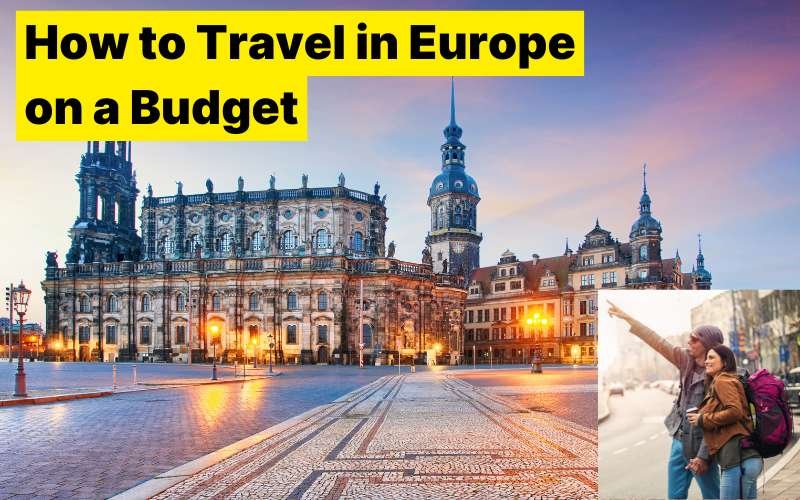
Rome, Paris and Vienna are not the cheapest cities in Europe, but they can be some of the best value if you plan well. The big sights are what everyone queues for. The good, affordable parts of each city are usually a short walk away from them: a viewpoint with no ticket, a lunch menu in a back street, a park where locals spend their weekends.
This guide shows where your money goes in each city, how to keep it, and which lesser-known places are worth your time. Prices change, so treat any figure as a rough guide and check current rates before you book.
What travellers are asking for right now
Slow down. In a recent r/Europetravel thread about a two-week December trip, the most upvoted advice was to stop adding cities. Five or six days in each place is plenty, and a smaller town makes a better add-on than another capital.
Hidden gems, not just highlights. Short videos and pins titled “places most travellers miss” and “cheap Europe” are what people save and share. Winter is part of that: Vienna and Paris both made the top 20 in Euronews’ ranking of Christmas markets, as voted by travellers.
The tips below follow both ideas: choose a base, take your time and spend on the things worth paying for.
Rome: ancient wonders without the tourist prices
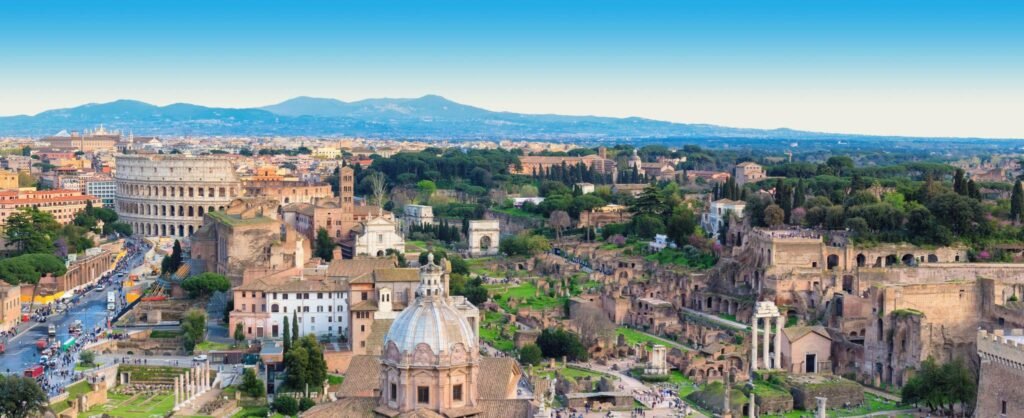
Rome is a city where a lot of the best experiences cost little or nothing: wandering old streets, sitting on a piazza, eating a slice of pizza on the move. The trick is to avoid paying tourist prices around the biggest monuments.
Where the money goes (and how to keep it)
- Getting around: The centre is walkable. For longer trips, a single transport ticket is valid for a set period across buses, trams and the metro, and day passes suit busy sightseeing days.
- Food: Order coffee standing at the bar, as locals do, because it is usually cheaper than sitting down. Pizza al taglio (by the slice) makes an easy, affordable lunch. Skip restaurants where staff call you in from the street, especially near the Colosseum and Trevi Fountain.
- Water: Rome’s public drinking fountains (nasoni) give free, cold drinking water. Bring a refillable bottle.
Hidden gems worth your time
- Janiculum Hill (Gianicolo). One of the best free panoramas over the rooftops and domes, and much quieter than the busy viewpoints.
- The Orange Garden (Giardino degli Aranci). A calm garden on the Aventine Hill with a lovely view. Nearby is the famous keyhole that frames St Peter’s dome.
- Testaccio. A working-class neighbourhood known for its food market and traditional Roman restaurants, with fewer tourists than Trastevere.
- Ostia Antica. A large ancient port town you can reach by regular city train. It has a lot of ruins and far fewer crowds than the Roman Forum.
- Trastevere in the morning. Come early, before the evening crowds arrive, for quiet lanes and cafés.
Budget tip: Entry rules and fees at major sites change, so check official pages before you go. Our Rome travel guide, 3-day Rome itinerary and where to stay in Rome help you plan the rest.
Paris: the city of light, on a sensible budget
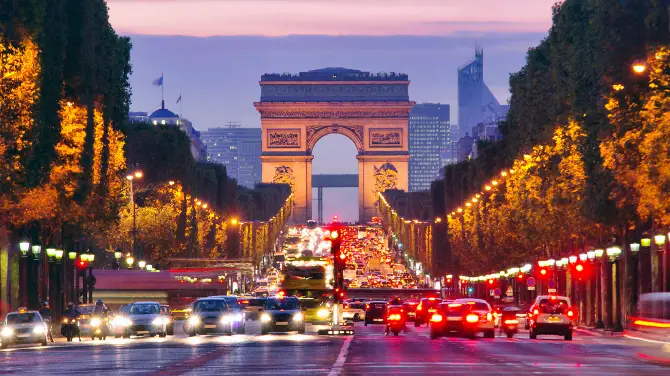
Paris has a reputation for being expensive, but you can enjoy it cheaply. Much of what makes the city special is outdoors: bridges, parks, markets and streets. A good bakery lunch beats an overpriced café with a view.
Where the money goes (and how to keep it)
- Getting around: The metro is the quickest way to cross the city, and walking connects many neighbourhoods. A reloadable pass or carnet of tickets costs less than single rides.
- Food: Look for a lunchtime “formule” or “menu du jour” at a neighbourhood restaurant. A boulangerie sandwich and a picnic by the Seine is a classic, inexpensive Paris meal. Ask for a carafe d’eau, a jug of free tap water, with your meal.
- Museums: Several of the city’s municipal museums, such as the Petit Palais and the Carnavalet, have free permanent collections. Check each museum’s current policy.
Hidden gems worth your time
- Canal Saint-Martin. A local favourite for a walk, with iron footbridges, cafés and a relaxed feel.
- Parc des Buttes-Chaumont. A hilly park with cliffs, a lake and city views, popular with Parisians.
- The covered passages. Historic glass-roofed arcades, such as Galerie Vivienne, are full of old shops and quiet cafés.
- Promenade Plantée. An elevated, tree-lined walking route built on a former railway line, ideal for a calm stroll.
- A free rooftop view. The rooftop terrace at a large department store in the 9th arrondissement offers a city panorama at no charge. Check the current opening hours.
Budget tip: Choose a hotel near a metro line rather than next to a famous landmark, and you will usually save money. See our Paris travel guide, 3-day Paris itinerary and where to stay in Paris.
Vienna: elegant, and kinder to your wallet than it looks
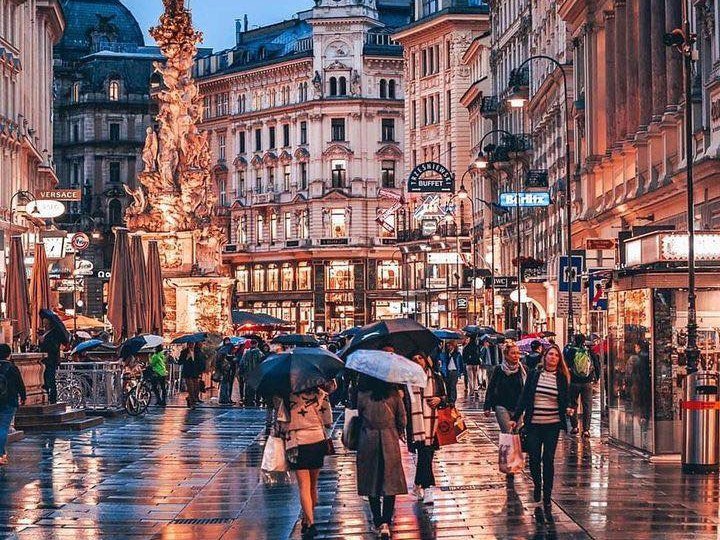
Vienna feels grand, with its palaces, opera and coffee houses, but a lot of its pleasures are modest and affordable. The public transport is excellent, the tap water is good, and the coffee house tradition lets you sit for a long time over a single drink.
Where the money goes (and how to keep it)
- Getting around: Trams, buses and the U-Bahn use one ticket system, with 24, 48 and 72-hour passes available. Many central sights are within walking distance.
- Food: A sausage from a Würstelstand is a cheap, classic Viennese snack. Many restaurants offer a lunchtime set menu. Vienna’s tap water is safe and good to drink.
- Culture: The State Opera sells low-priced standing places on the day of the performance. Check the opera’s website for current details.
Hidden gems worth your time
- Naschmarkt and Karmelitermarkt. Naschmarkt is the famous one. Karmelitermarkt is smaller and has a more local feel.
- Belvedere and Schönbrunn gardens. The grounds are open to walk around, and they are beautiful without buying a palace ticket.
- A Heuriger in the hills. These traditional wine taverns on the edge of the city serve local wine and simple food in a relaxed garden setting.
- The Danube Island. A long green strip popular with locals for walking, cycling and swimming in summer.
- A coffee house in the afternoon. Order one coffee, read the newspaper and stay as long as you like.
Budget tip: Wander the Ringstrasse on foot to see many major buildings for free. For planning help, see our Vienna travel guide, 3-day Vienna itinerary and where to stay in Vienna.
How to combine the three cities
- Do not try to see all three in a week. Rome, Paris and Vienna are far apart, so pick two, or take them as separate trips.
- Flying is often the cheapest option between these cities if you book ahead. Overnight trains run on some routes, so check current timetables and prices.
- Allow four or five days in each city. You will spend less on transport and enjoy it more.
For flights and accommodation, use our hotel search and flight search pages. Some links on this site are affiliate links, which means we may earn a small commission at no extra cost to you.
Quick budget checklist
- Eat the main meal at lunchtime. Set menus are usually cheaper than dinner.
- Carry a refillable bottle. Rome, Paris and Vienna all have good tap water.
- Use a transport pass instead of single tickets where it pays off.
- Walk to viewpoints. Many of the best views are free.
- Avoid eating next to the main landmarks. Walk a few streets away.
- Check prices and opening hours before you go, as they change.
More budget guides
Planning more stops in Europe? These guides follow the same approach for other cities:
- Budapest, Lisbon and Prague on a budget: hidden gems and money-saving tips
- Barcelona and Amsterdam on a budget: hidden gems and money-saving tips
Final thoughts
Rome, Paris and Vienna are worth visiting even on a modest budget. Give each city enough time, skip the busiest spots, and look for the quiet neighbourhoods, free viewpoints and local food. That is where the best value is.
Prices, opening dates and transport details in this article are approximate and can change. Always confirm with official sources before travelling.